From Scheduled Cleaning to Data-Driven Cleaning: A New Approach to Cleaning Operations
World Cleanup Day is marked around the world on September 20, raising awareness of the importance of clean environments, responsible waste management and sustainability. For many, the day is associated with organized cleanup activities and community initiatives. For us at Tavas, it is an opportunity to look at cleaning from another perspective: not only at the visible results, but also at how a professionally managed cleaning operation can influence the entire site.

Cleanroom Cleaning
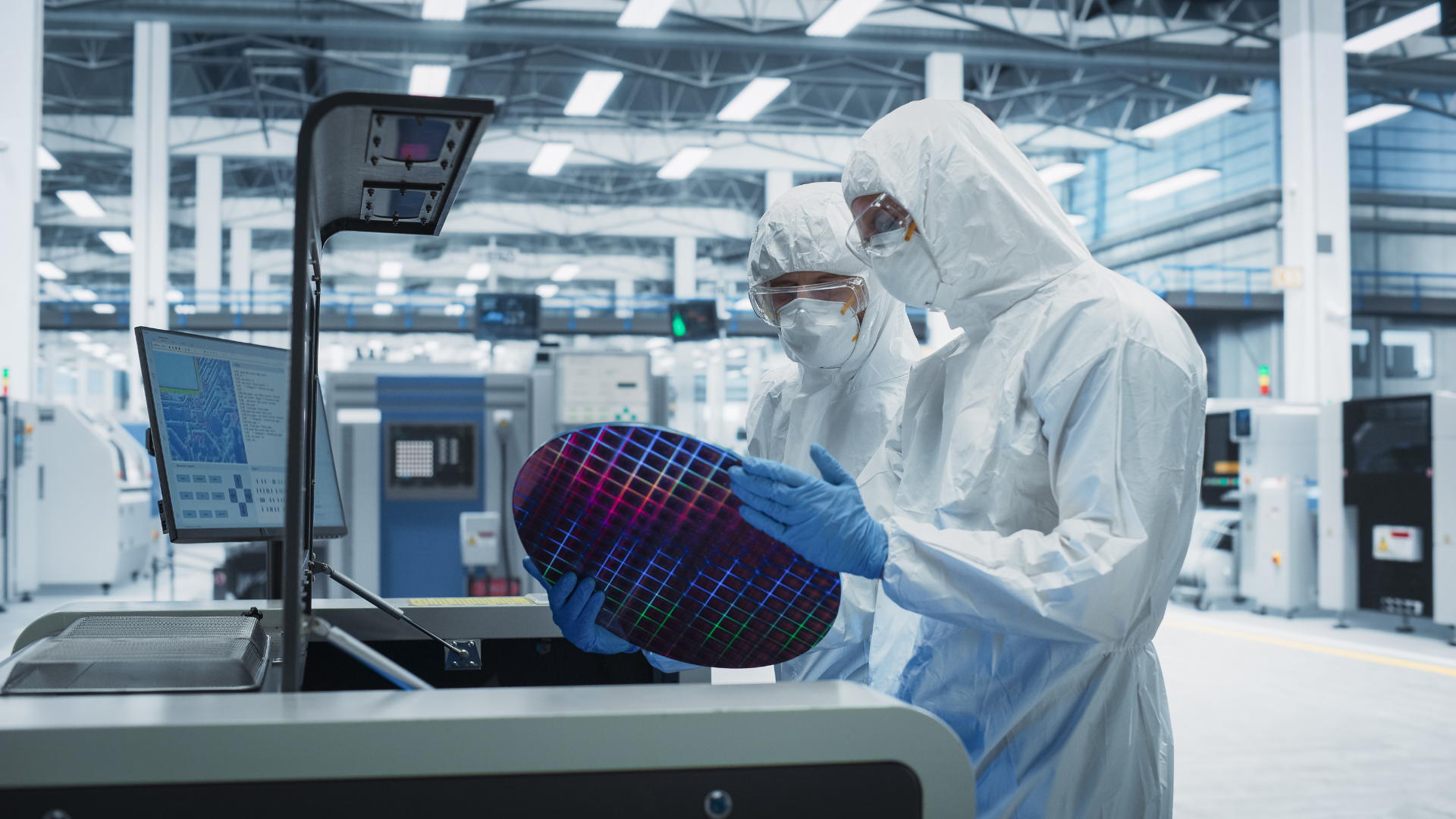
In industries where pharmaceuticals, semiconductors, electronic components, food products, medical devices, or biotechnology materials are manufactured, cleanliness is far more than a matter of appearance. It is an integral part of process quality, product reliability, and compliance with strict regulatory requirements. Even a microscopic airborne particle, residue left on a surface, or an improperly documented action can affect the entire production environment.
Graffiti Removal
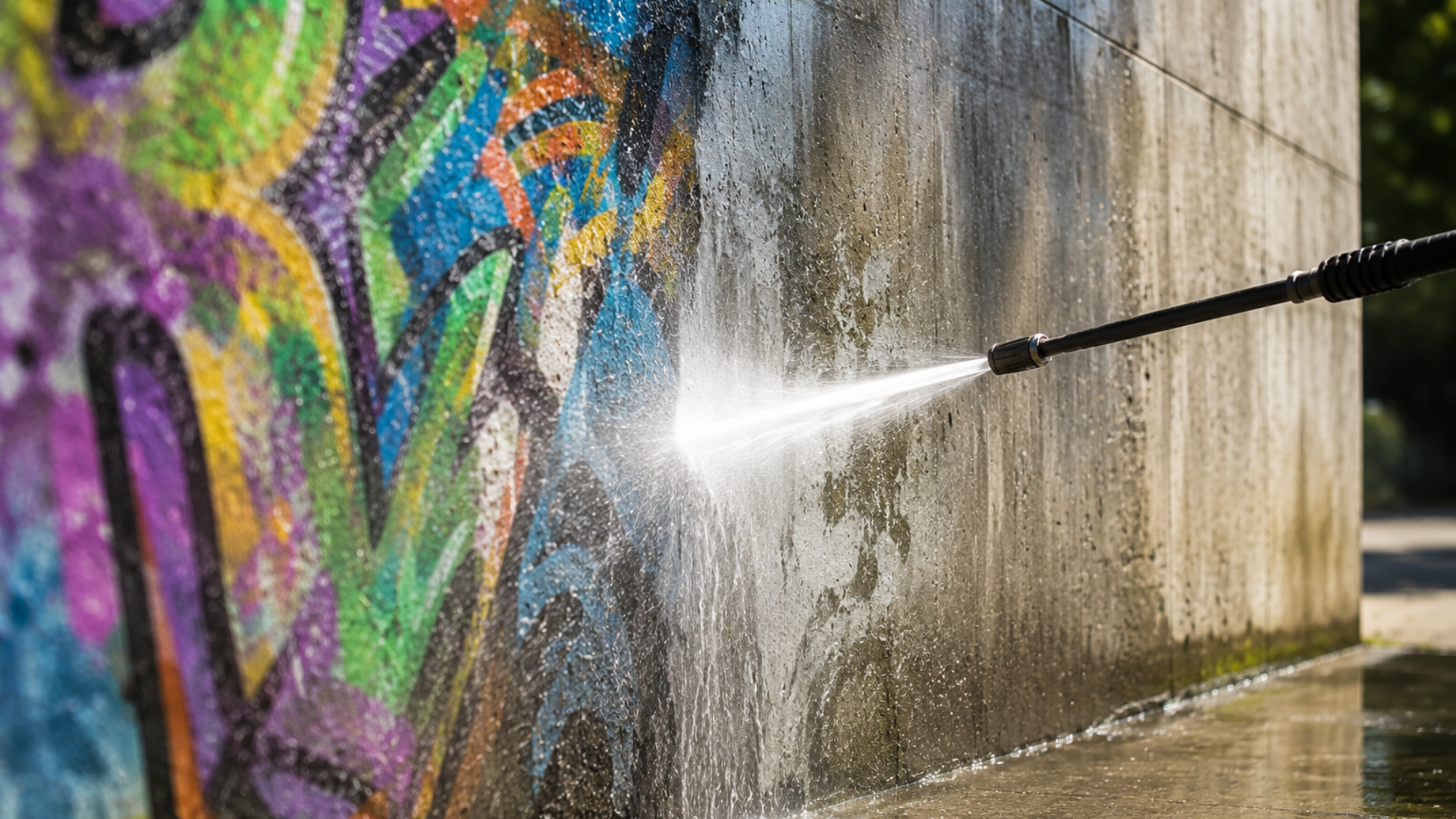
Graffiti, paint markings, stickers, and unauthorized posters placed on walls and building facades can negatively impact a property's appearance, an organization's image, and the overall visual quality of public spaces. For municipalities, public institutions, homeowners' associations, commercial centers, and businesses, prompt removal of these nuisances helps maintain a clean, well-maintained, and welcoming environment.
Professional Building Exterior Cleaning
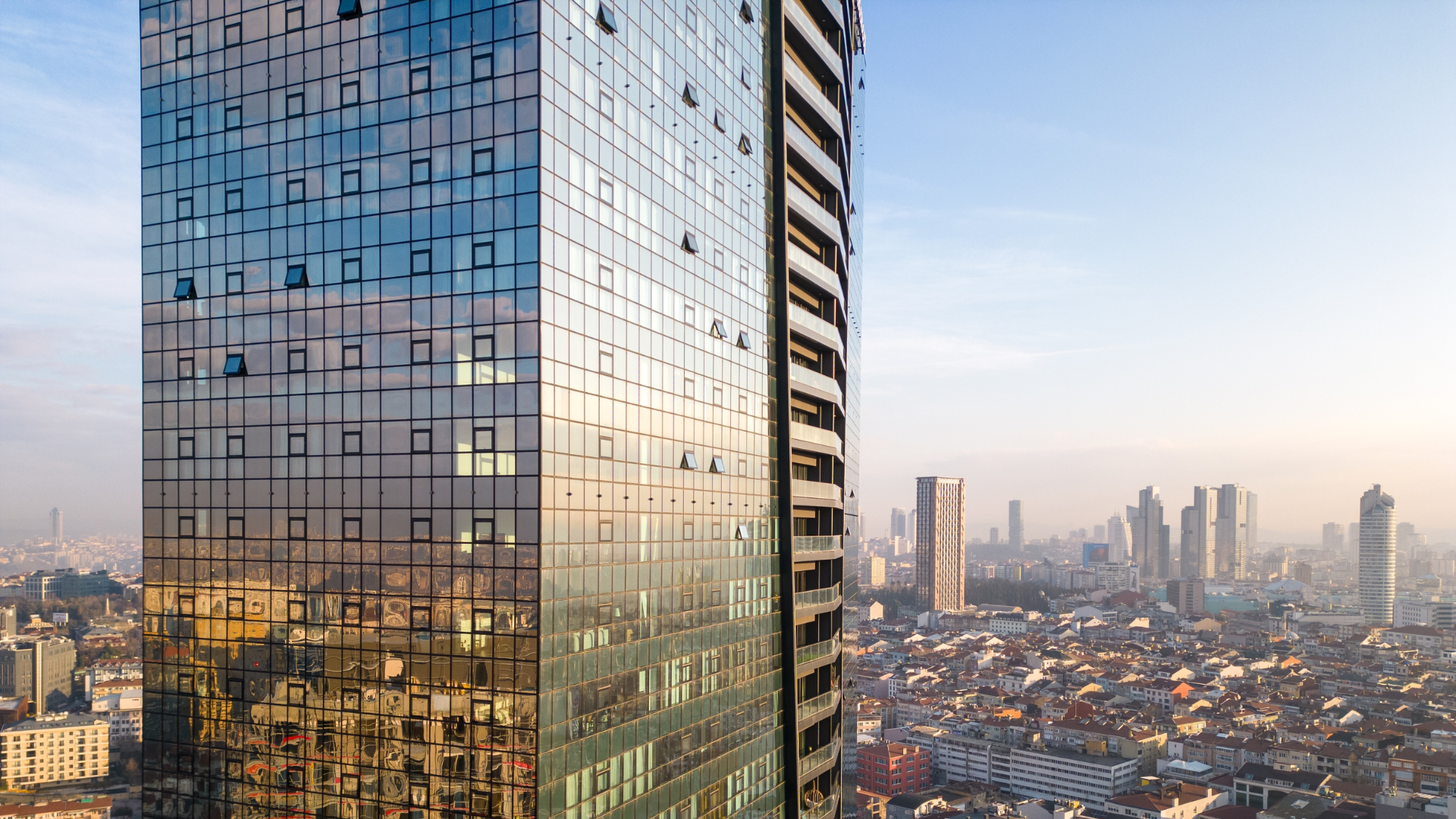
A building’s exterior is one of the most prominent elements in its overall appearance. Whether it is an office tower, a commercial property, a business complex, or an income-generating asset, the condition of the exterior directly impacts the impression the building creates, the perception of maintenance standards, and the way employees, clients, and visitors experience the environment.
Office Cleaning
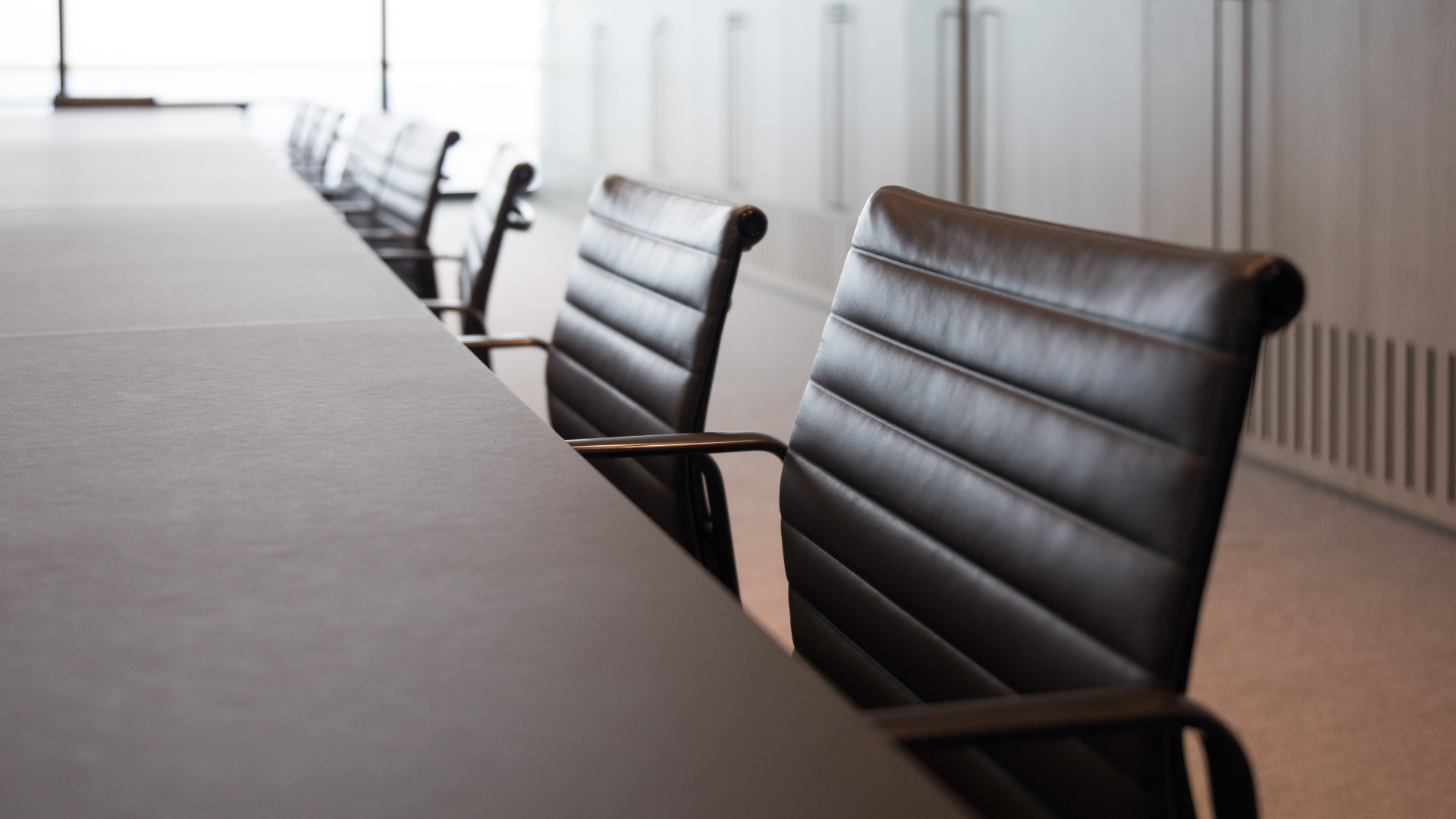
The modern workplace is much more than a space where daily tasks are performed. For employees, clients, and visitors, the office reflects the organization’s culture, management standards, and attention to detail. As a result, office cleaning is no longer viewed solely as an operational function, but as an integral part of the user experience within the workplace and the way the organization is perceived by both employees and visitors.
Water Reservoir Cleaning and Disinfection
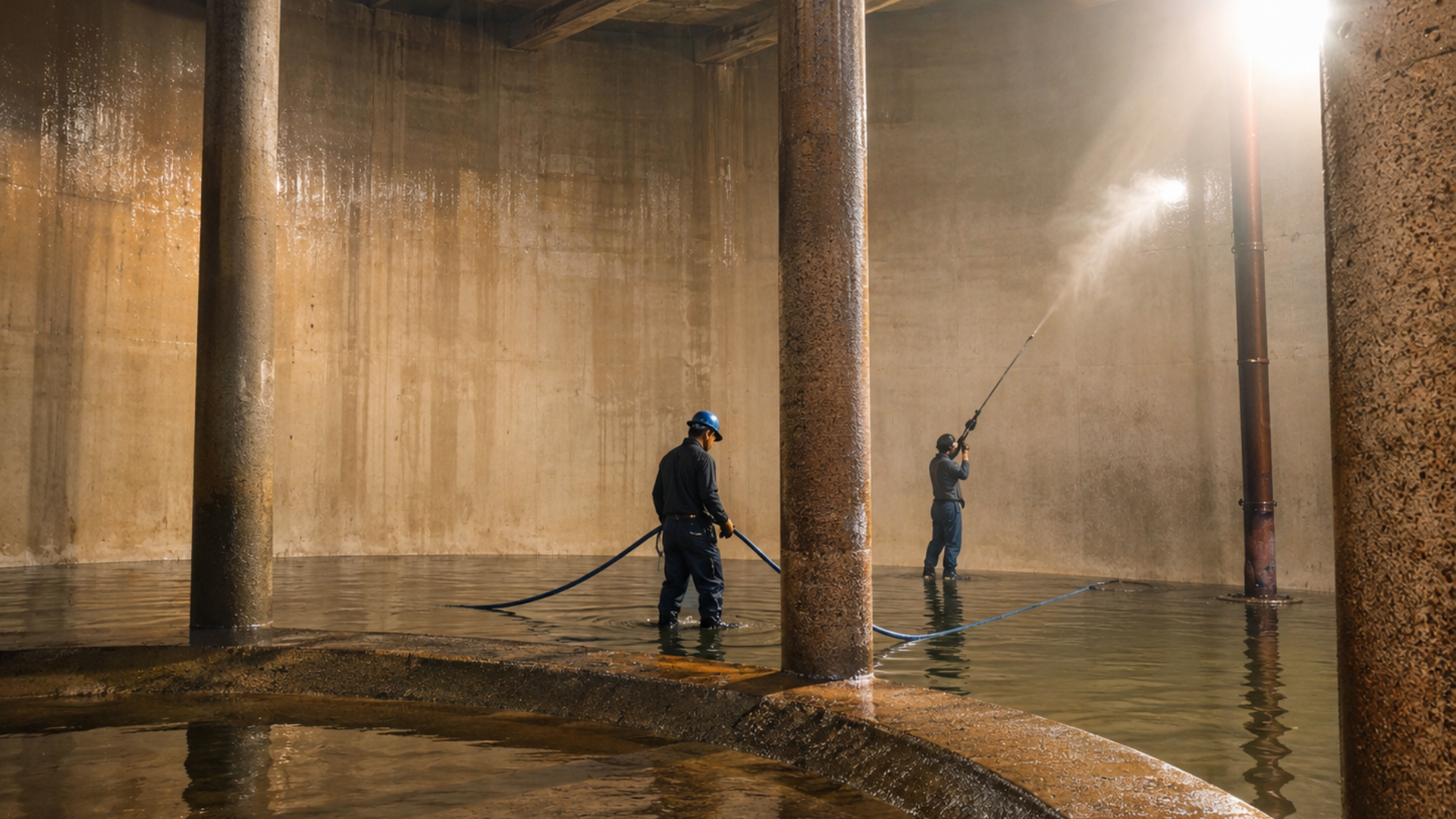
Water reservoirs and potable water storage tanks are an integral part of water supply systems in residential buildings, office towers, public institutions, industrial facilities, commercial centers, and municipal infrastructures. These reservoirs are designed to ensure a continuous and reliable water supply and support the daily needs of residents, employees, visitors, and other users.
High Pressure Water Cleaning
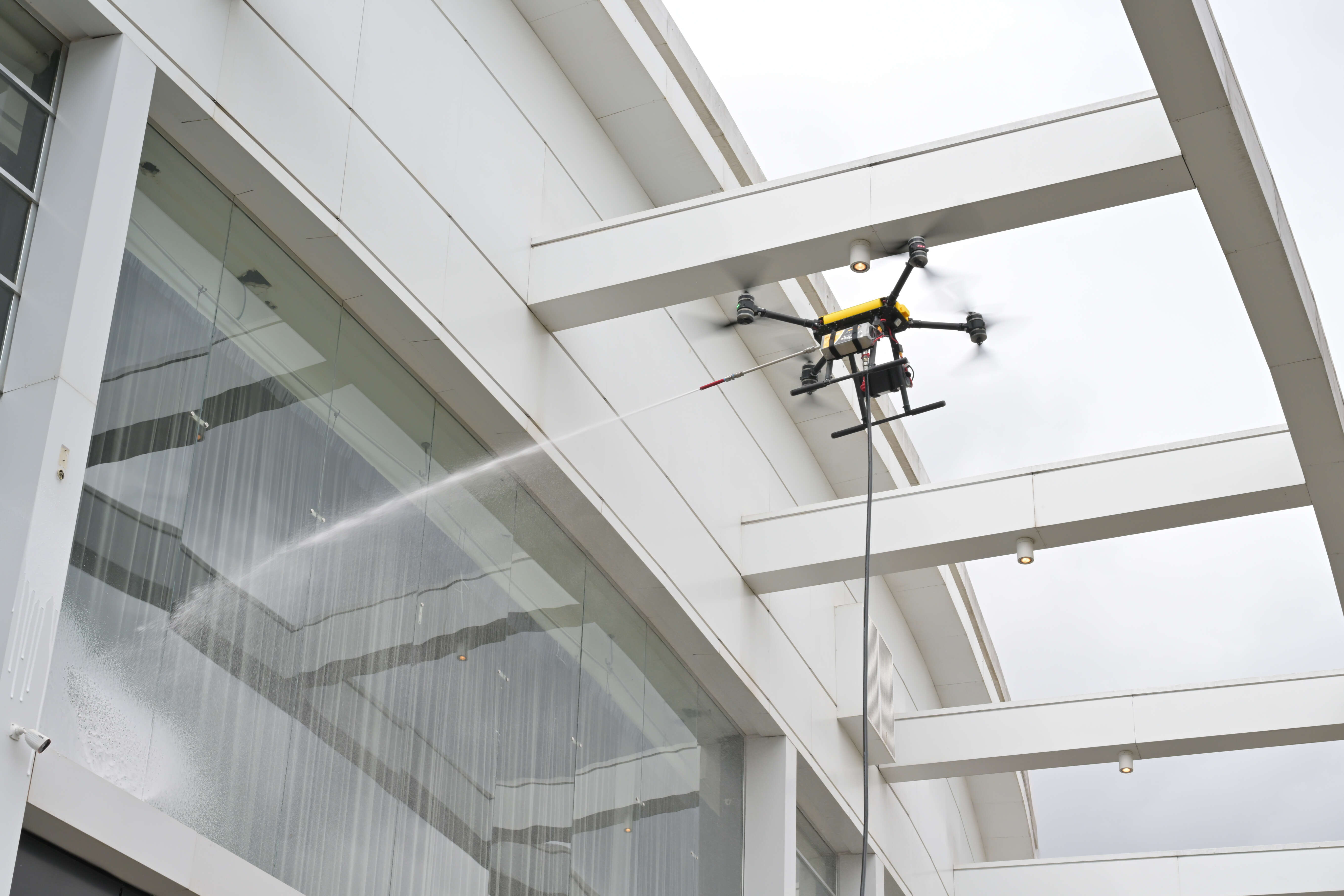
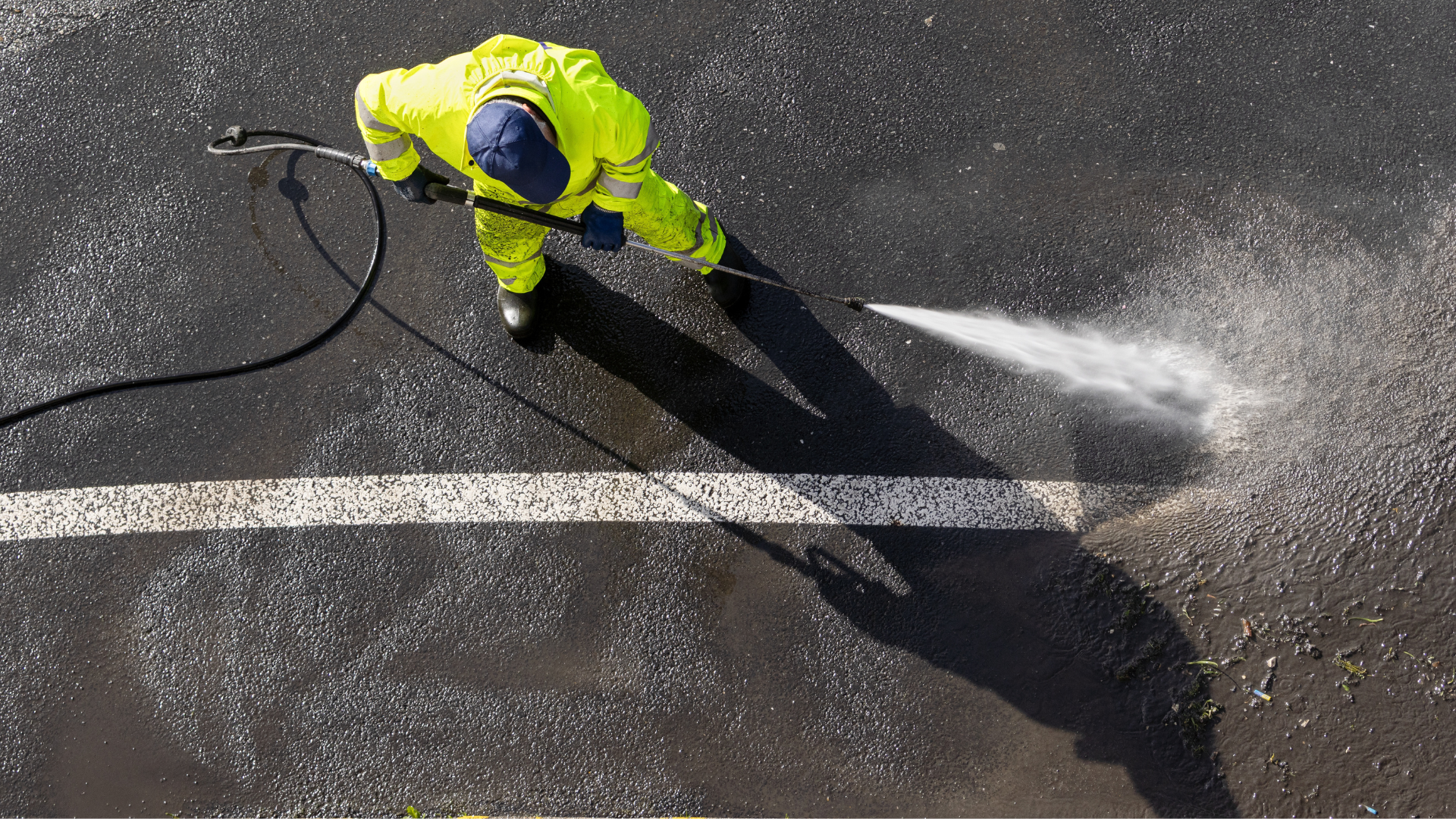
High pressure water cleaning is one of the most effective and widely used methods for cleaning surfaces, building facades, parking facilities, and infrastructure. The method is based on the use of high pressure water streams to remove dirt, soot, oil, paint stains, graffiti, dust, and deposits that have accumulated over time.
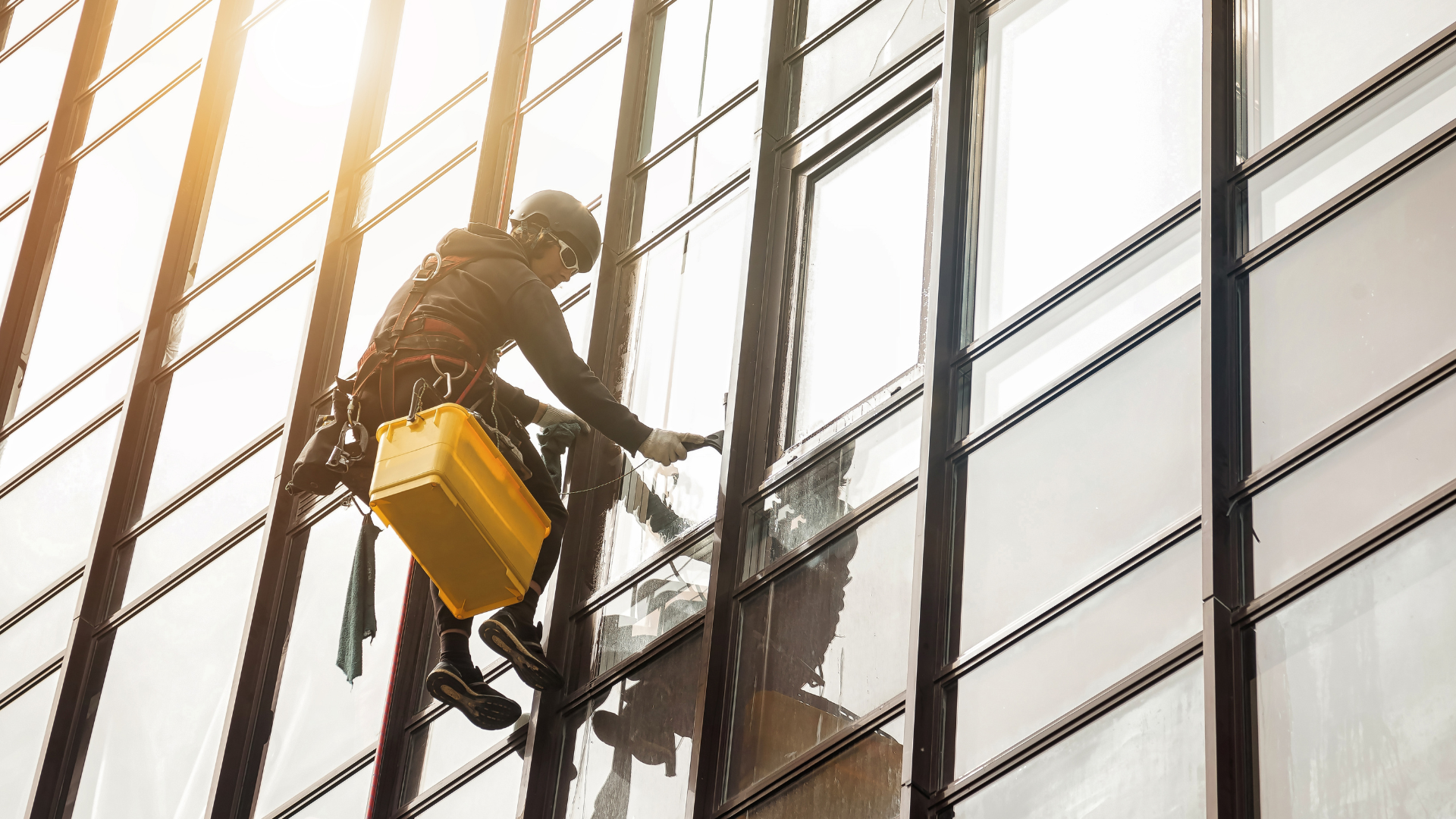
Rope Access Cleaning
Rope access cleaning is one of the most effective and professional methods for performing high-rise cleaning work in buildings where access is complex or where other solutions are not suitable. The method provides direct access to the building facade, windows, and exterior envelope, enabling cleaning and maintenance work in areas that are difficult to reach using conventional access methods.
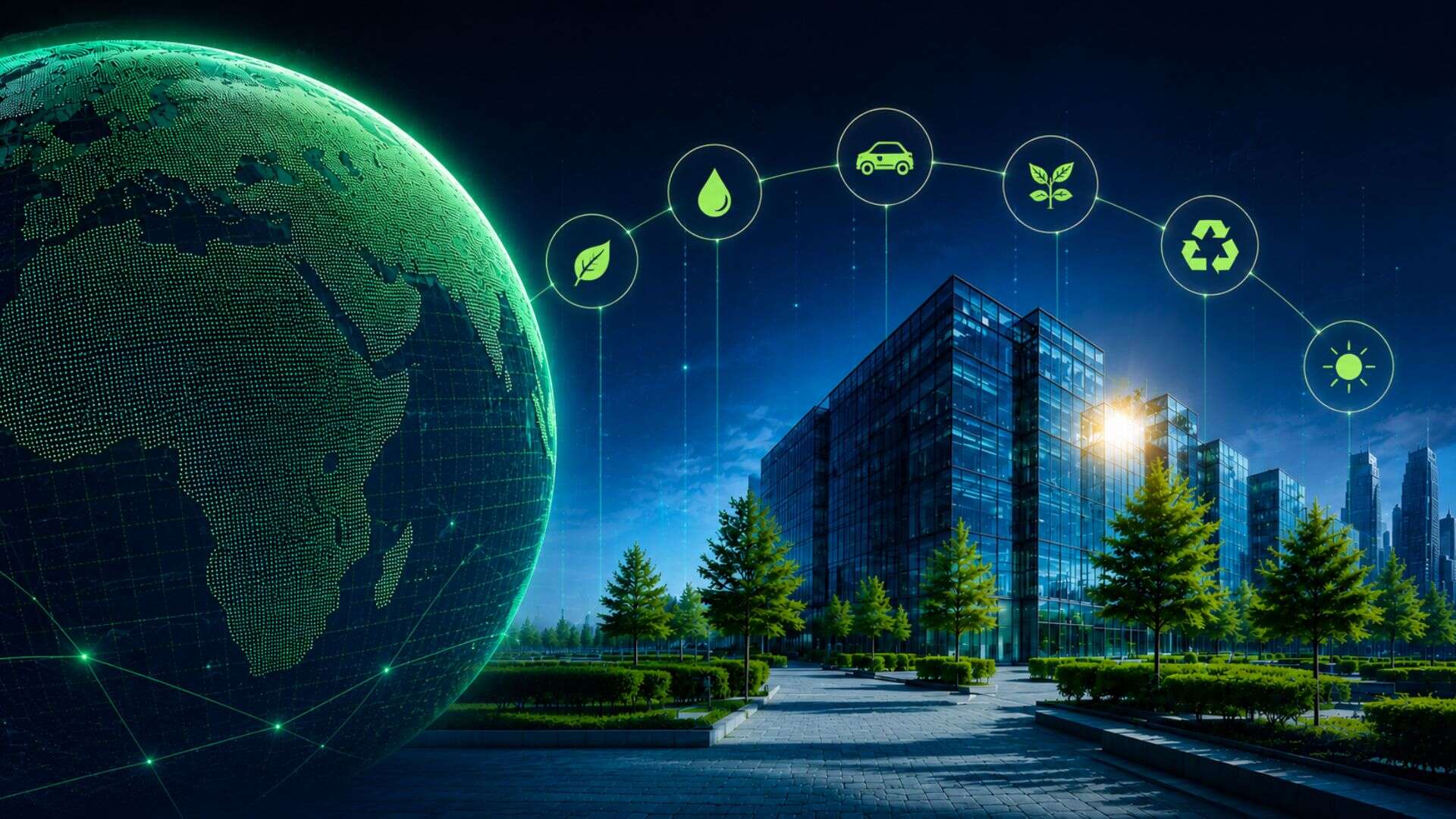
Smart Growth and Green Innovation
In today’s rapidly evolving business environment, sustainability is no longer a marketing slogan or a line in an annual report. It has become a core principle that shapes strategy, processes, and organizational culture. Tavas, an Electra FM company, embraces this approach in practice, positioning sustainability as a central component of its corporate identity and a driver of smart growth.
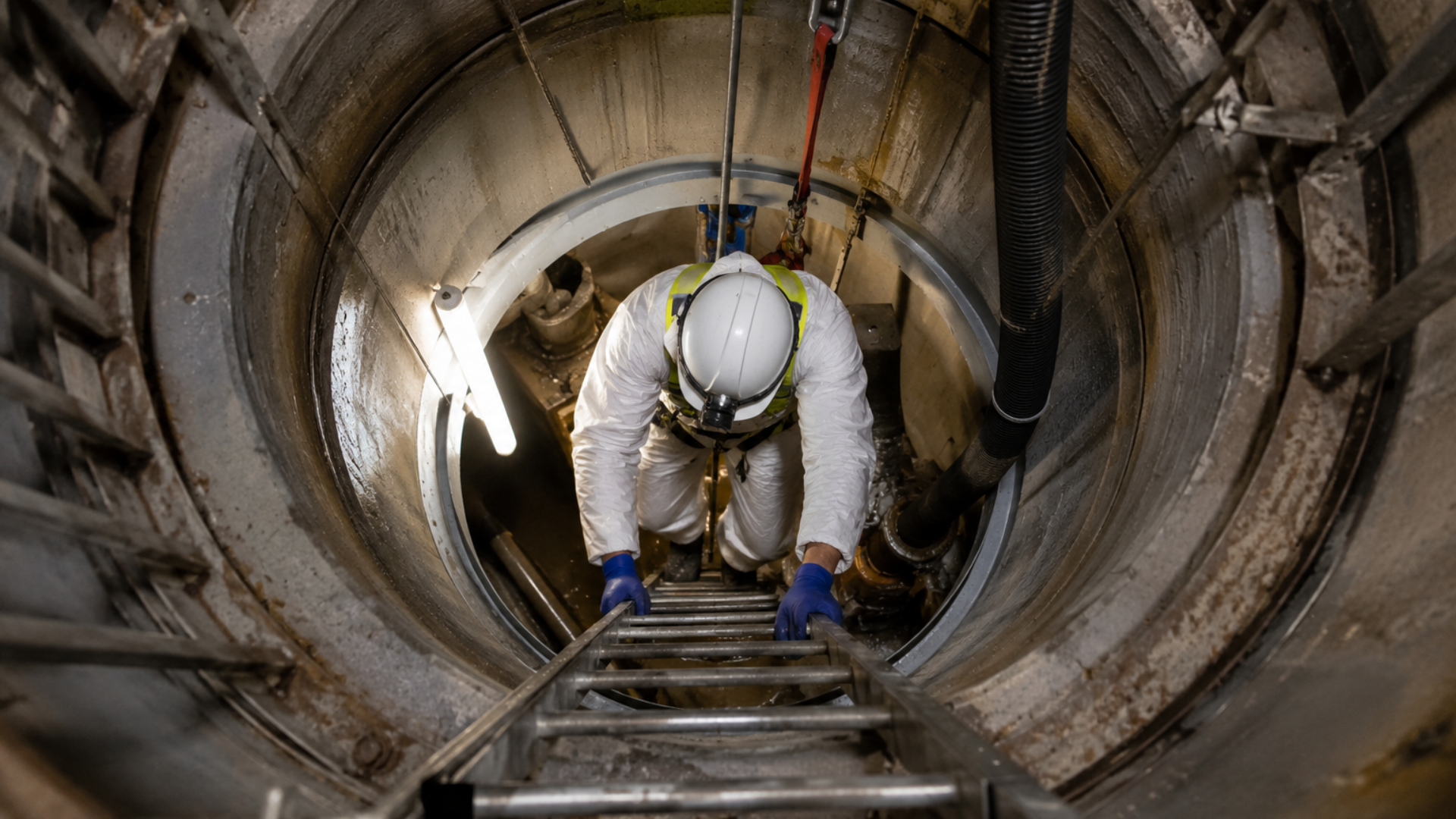
Confined Space Cleaning
Confined space cleaning is a specialized field that combines cleaning, maintenance, and safety activities within complex working environments that present unique operational characteristics. Confined spaces can be found in a wide range of infrastructure systems and facilities, including water reservoirs, tanks, shafts, manholes, and channels. Due to restricted access conditions and potential hazards, work within a confined space requires careful planning, strict adherence to safety procedures, and the use of appropriate equipment and protective measures.
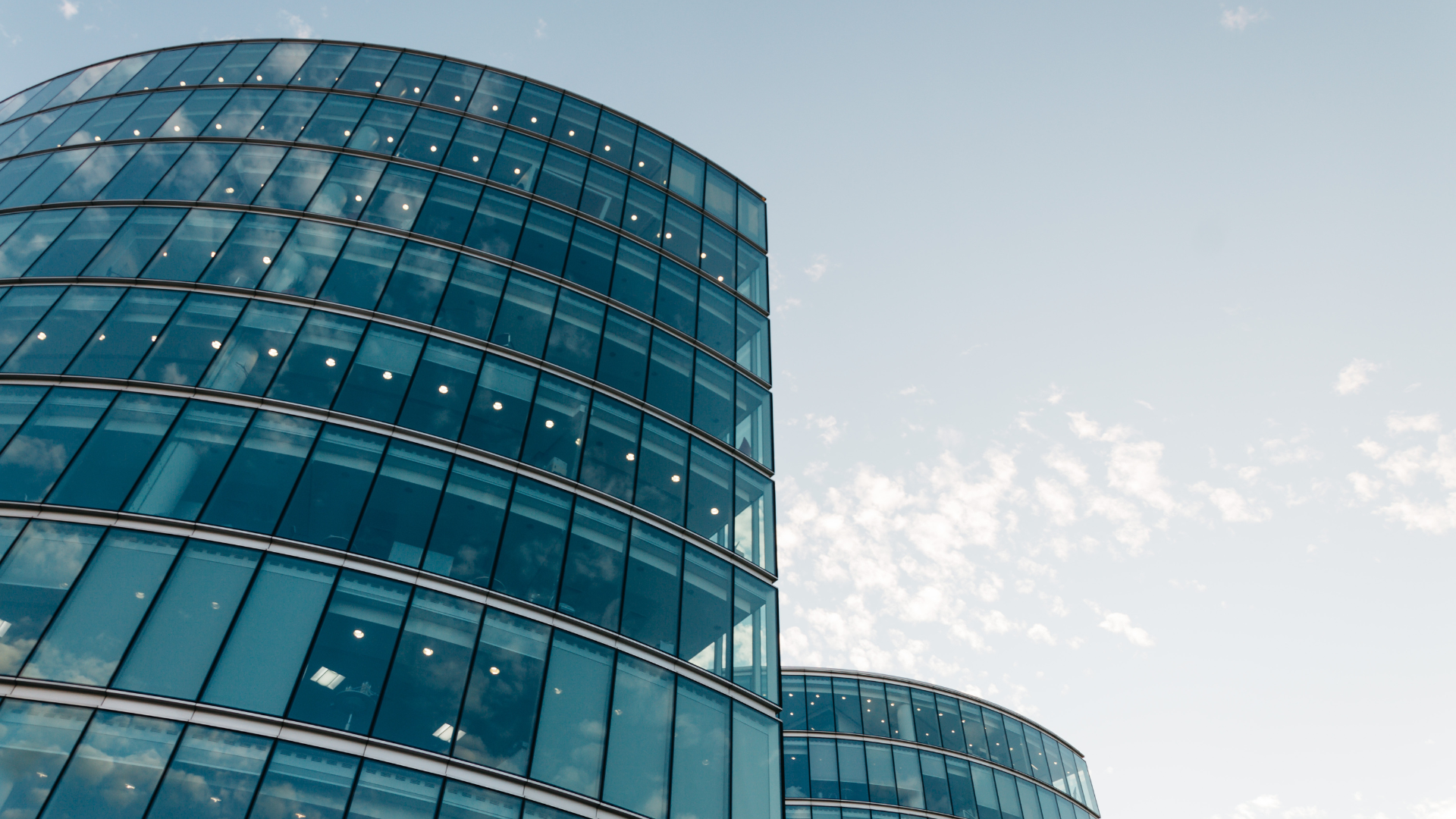
Curtain Wall Cleaning
In recent years, curtain walls have become one of the most prominent features of office towers, commercial centers, and modern buildings. Glass facades provide buildings with a prestigious appearance, allow natural light to enter, and have a direct impact on both the property's appearance and the experience of its occupants and visitors.
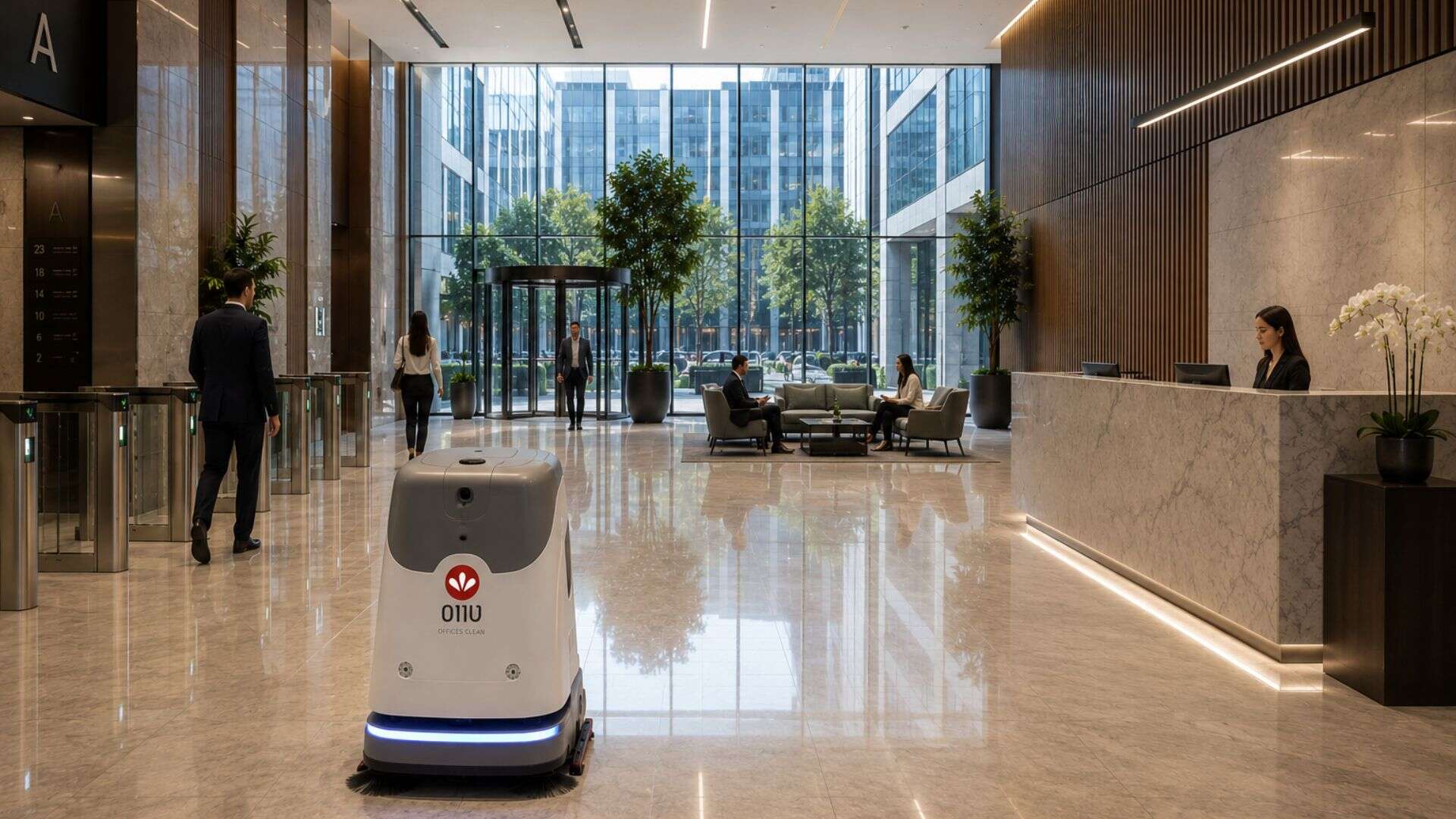
Professional Building Cleaning Services
Building cleaning is a central component of
the ongoing maintenance of shared residential buildings, managed properties,
office towers, and commercial complexes. It directly impacts the appearance of
the property, the sense of cleanliness and order, and the day-to-day experience
of tenants, visitors, and everyone entering the building. When stairwells are
clean, lobbies are well maintained, and shared spaces are kept to a high
standard, the entire property reflects a more professional, organized, and
respectable environment.
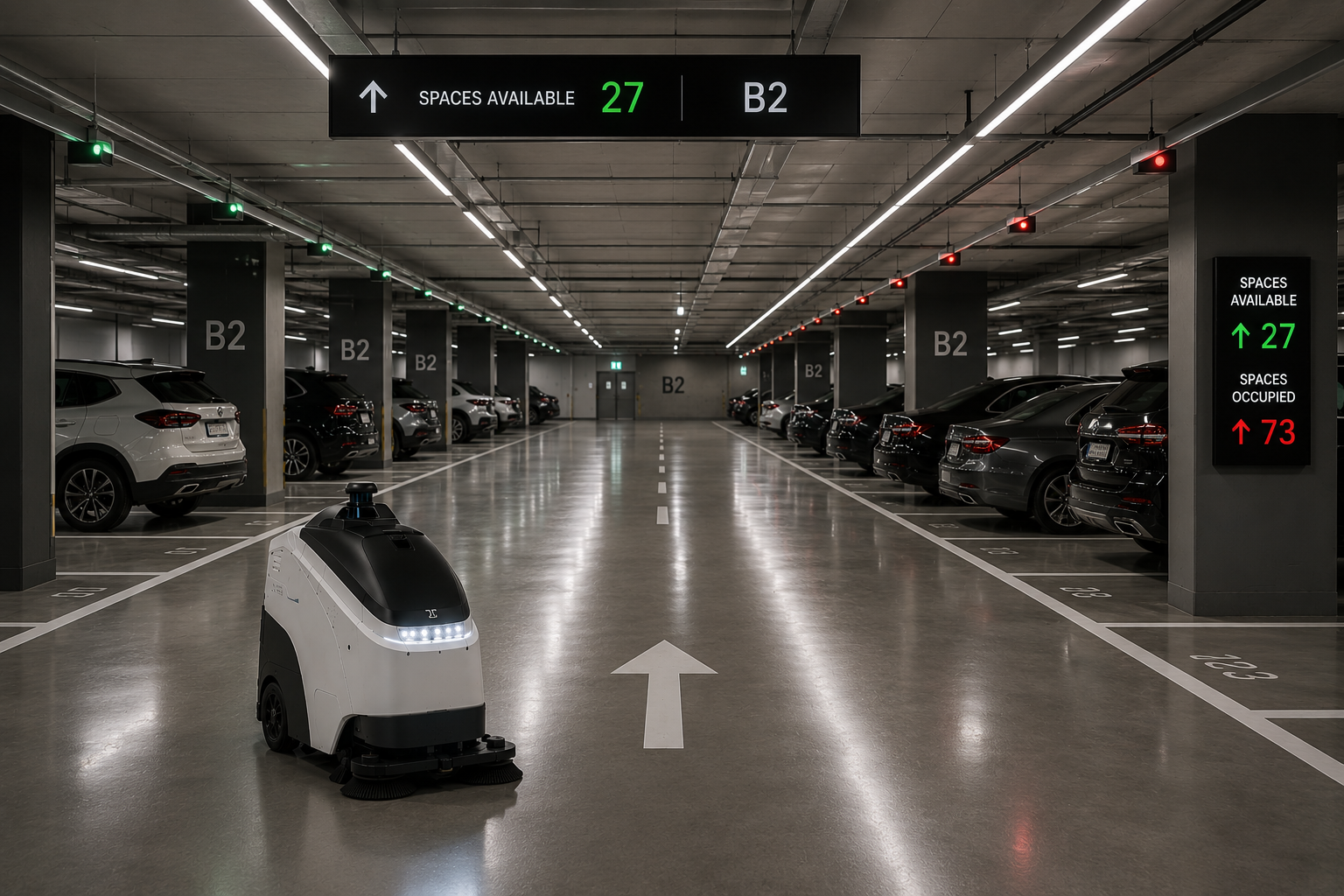
Professional Parking Garage Cleaning
Professional parking garage cleaning is an integral part of the ongoing maintenance of buildings, managed residential towers, commercial centers, office complexes, and underground parking facilities. Beyond appearance and orderliness, a clean parking garage contributes to the overall user experience, reinforces the perception of a well-maintained property, and helps ensure a safe and pleasant environment over time.
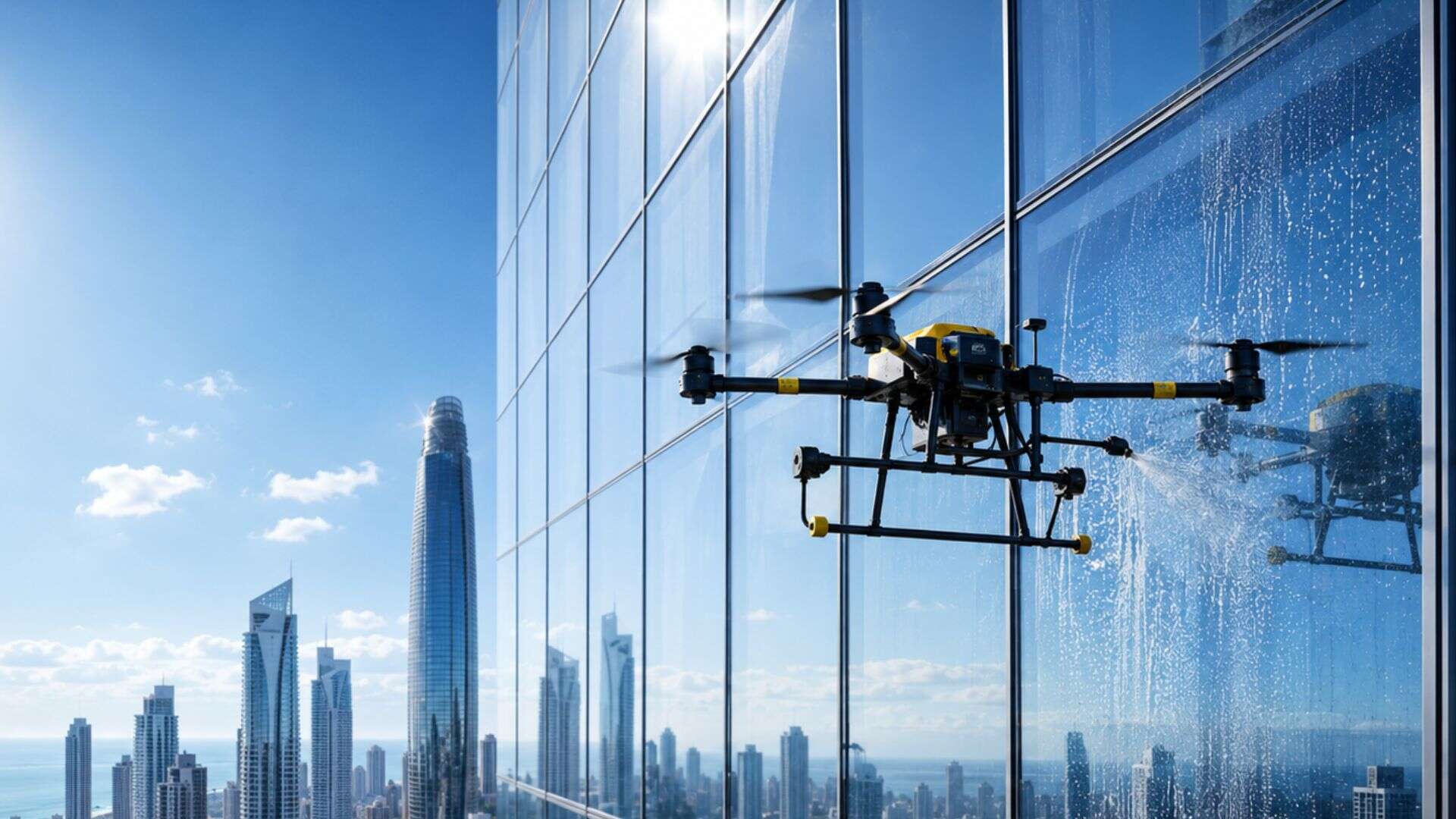
High-Rise Window Cleaning
High-rise
window cleaning is an essential part of the professional maintenance of office
towers, residential buildings, institutions, and commercial complexes. In these
types of properties, the facade plays a significant role in the overall
appearance of the building, and maintaining clean windows contributes not only
to aesthetics, but also to the sense of order, maintenance quality, and
operational standards the property reflects.
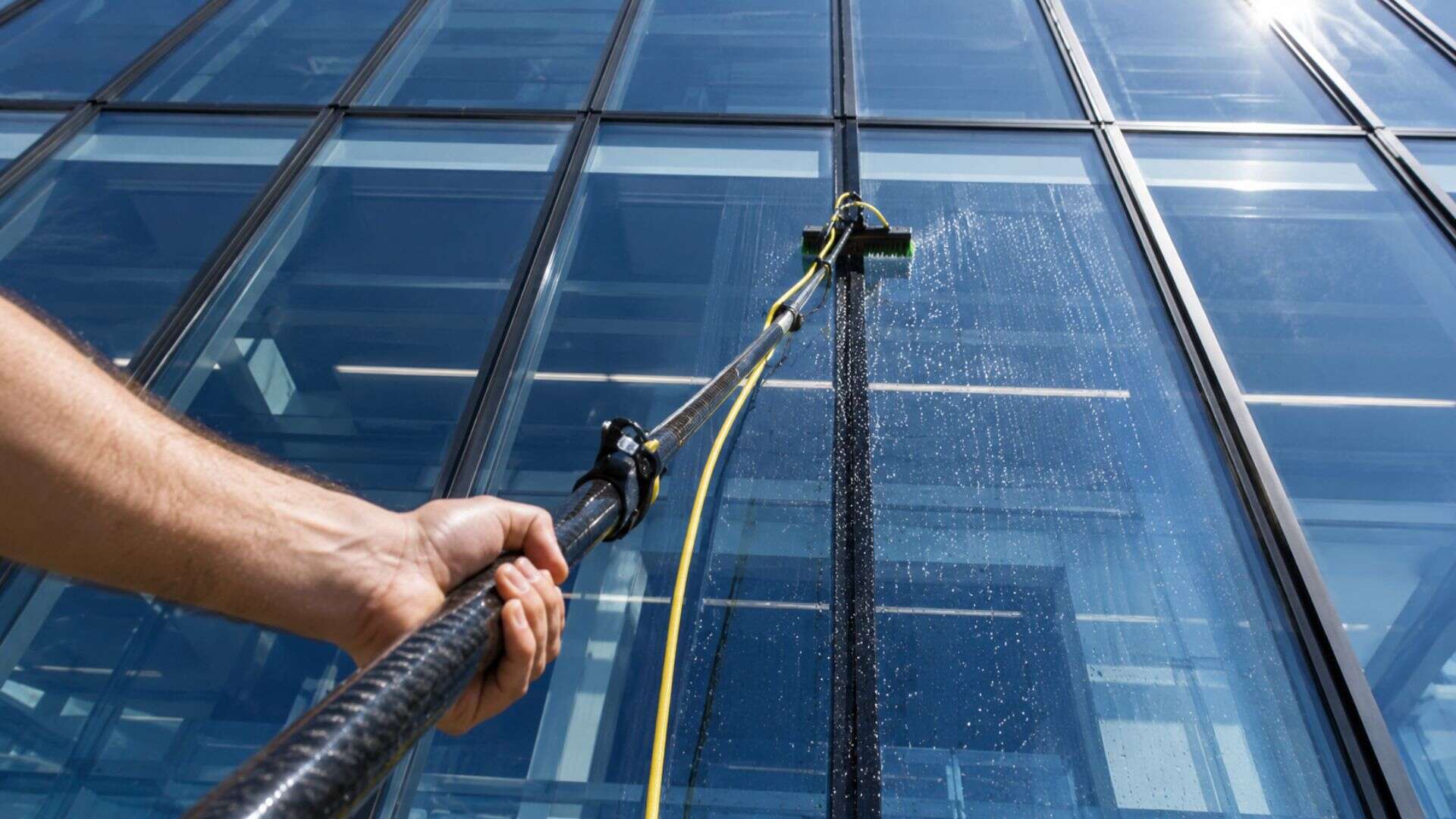
Reverse Osmosis Window Cleaning
Reverse osmosis window cleaning is considered one of the most advanced and precise cleaning methods currently used for glass envelopes and windows in modern buildings. The method is particularly suitable for office towers, luxury buildings, curtain walls, and glass exteriors where a very high level of finish and a consistently uniform appearance are required over time.
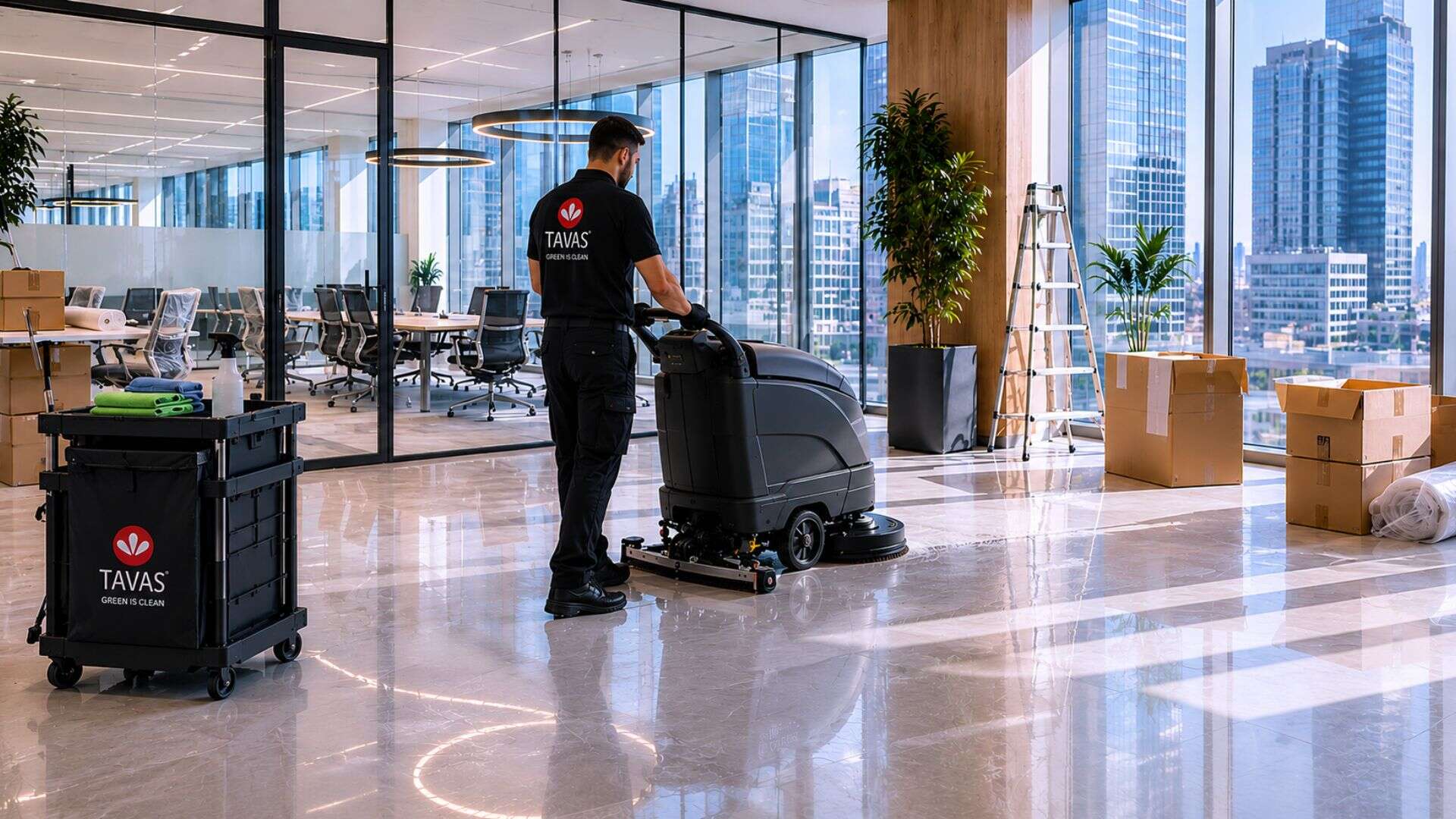
Post-Construction Cleaning
Post-construction
cleaning is a critical stage in preparing buildings, offices, commercial
spaces, and properties for occupancy and operational use following
construction, renovation, or interior fit-out projects. Once construction work
is completed, sites are typically left with construction dust, residual
materials, paint marks, accumulated debris, and layers of fine dust that
require thorough professional cleaning before the property can be fully
occupied and utilized.
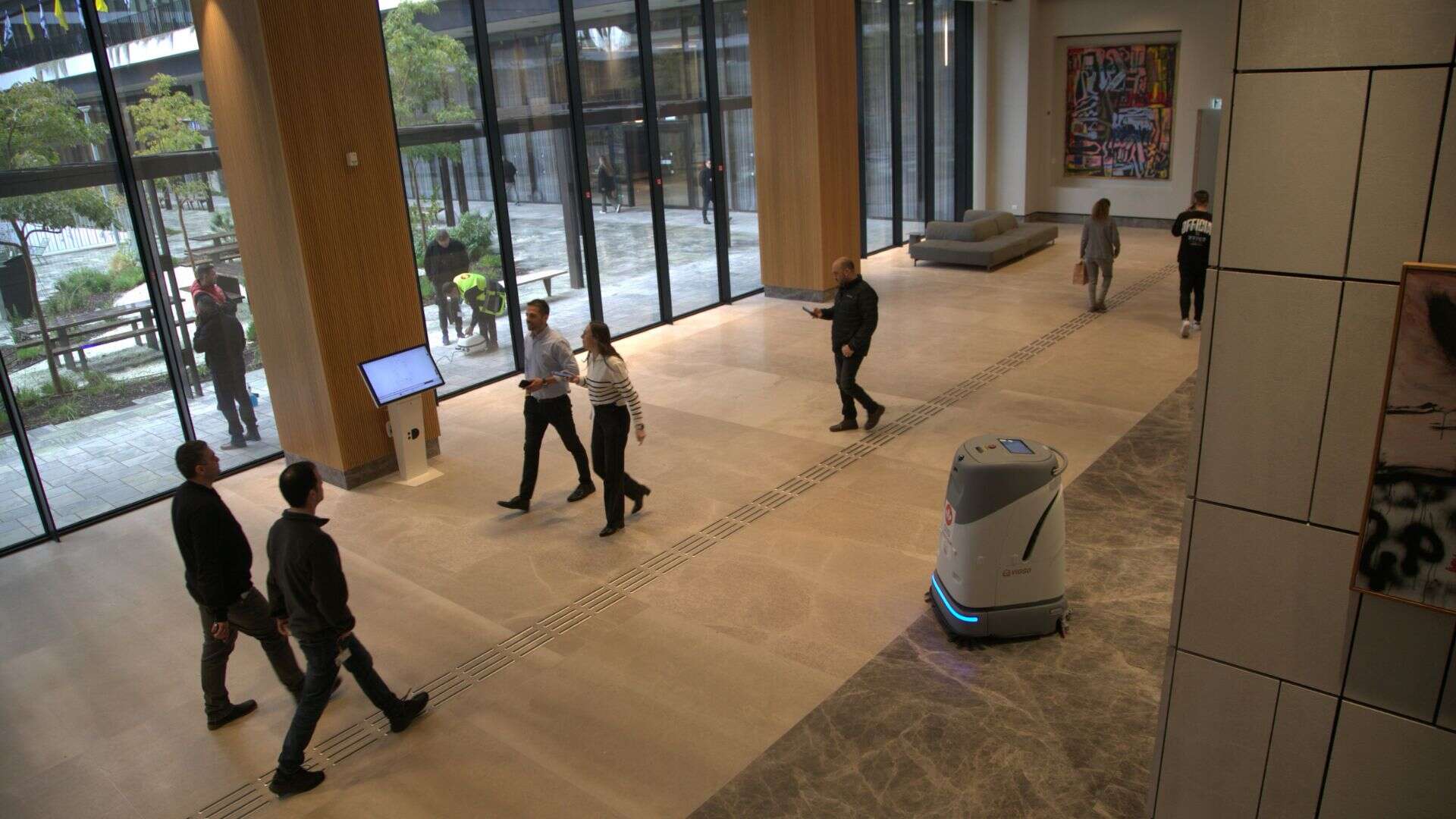
The New Cleaning Company: The Decade Redefining the Industry
The cleaning industry is undergoing a fundamental transformation in the current decade. What was long perceived as a marginal, operational function has become an essential service that directly impacts public health, the operational continuity of organizations, and the resilience of the economy. The decade that began in 2020 presents cleaning companies with a new, complex reality that demands a different way of thinking.
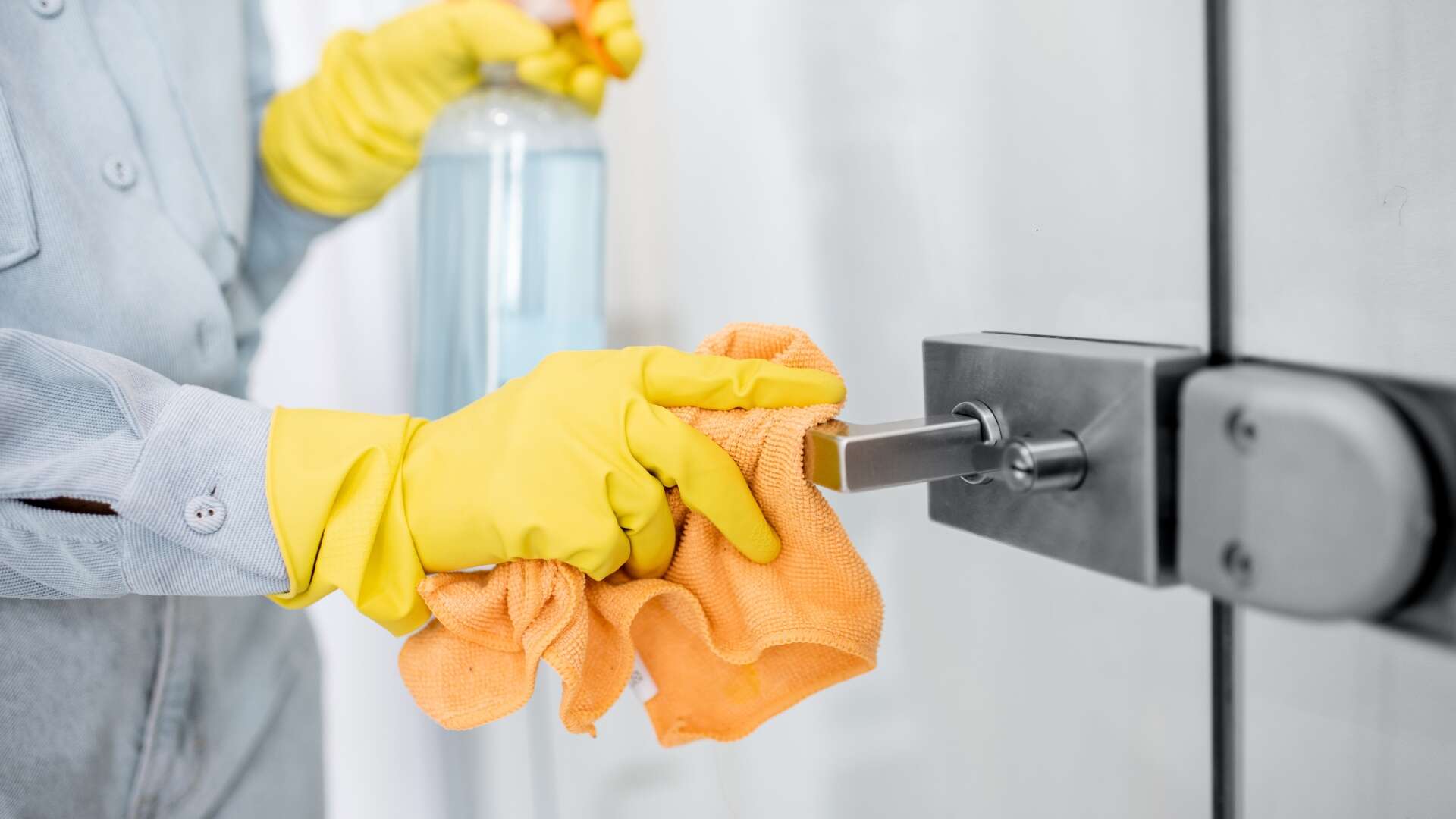
Superficial cleaning
In recent years, it has become clear that cleaning is not a marginal or purely operational act. It is a foundational component of public health, personal safety, and the ability of the economy to keep functioning. Large-scale health crises, led by the COVID-19 pandemic, exposed a deep gap between public discourse about hygiene and the reality on the ground.
Why Sustainability Matters Now
In recent years, the concept of sustainability has become common in public and business discourse. For some organizations, it is seen as a trend. For others, it is a values-based statement. For Tavas, sustainability is a practical, managerial, and business necessity. It stems from the reality in which we operate and from our responsibility toward employees, clients, and the public environment.
The Ecological Vision of Tavas - Clean Is Green
In recent years, awareness has grown that the climate crisis is not a theoretical discussion, but a reality that already affects our lives, public health, and social and economic stability. As a company leading cleaning services on a national scale, Tavas views sustainability as an inseparable part of its organizational responsibility and is committed to translating values into action on the ground.
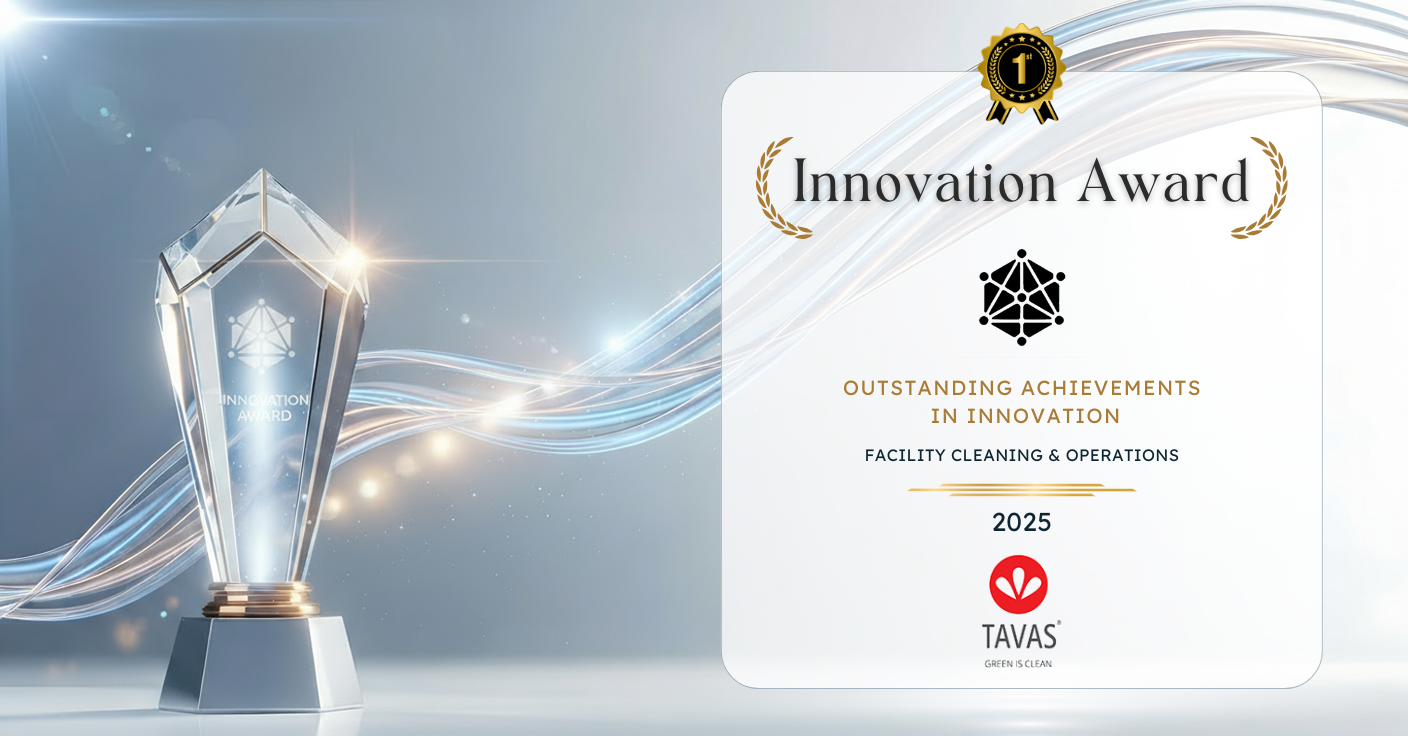
The Innovation Revolution in the Cleaning Industry Reaches a New Peak
Tavas continues to set a new standard in Israel’s cleaning industry and has won first place in the 2025 National Innovation Index.
"The Good Lie" and the Employment of Foreign Workers in Israeli Law
A lack of legal framework and governmental synergy has resulted in a chaotic and harmful employment environment for asylum seekers, enabling political and social capital to be built at their expense.
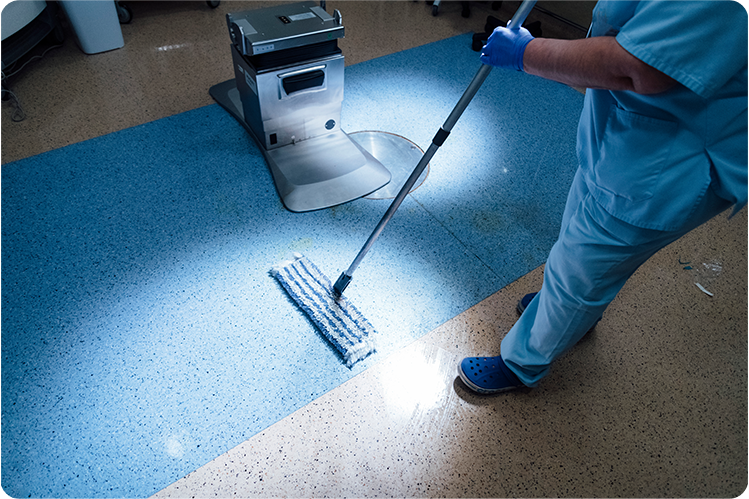
The History of the Cleaning Industry
The history of cleaning and hygiene has accompanied humanity since ancient times, from early water sources and biblical laws to battles against epidemics. Even today, modern hospital studies highlight the direct connection between cleanliness and public health.
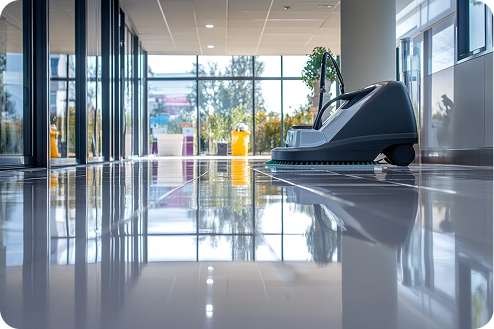
Professional Cleaning Services for Schools and Universities
Educational institutions and higher education facilities require consistent, professional and readily available cleaning routines to maintain a pleasant and safe learning environment. Cleaning companies provide comprehensive solutions, from replacement personnel to advanced equipment and cleaning materials.
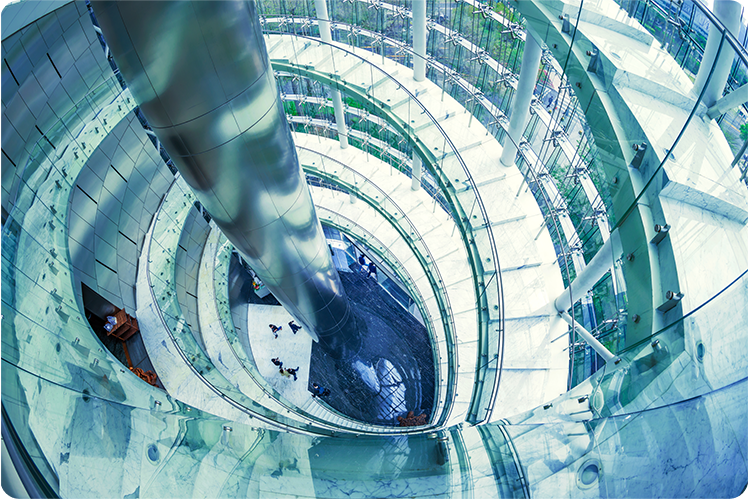
Professional Cleaning for Multi-Location Businesses
Chain organizations — including retail stores, restaurants, offices and production facilities — require professional, reliable and continuous cleaning services throughout the year. A qualified provider must have advanced equipment, skilled personnel and strong operational management to ensure consistent cleanliness and uninterrupted performance, even under pressure.
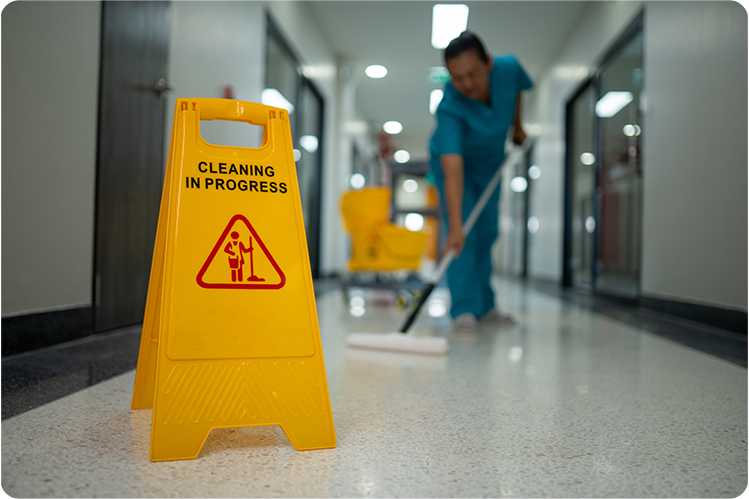
Cleaning as Outsourcing
Outsourcing cleaning services optimizes resource allocation, guarantees a high level of professional execution, and enables the organization to concentrate on its core business functions.
The Forced Reflexivity of Direct Employment
Adv. Ilan Shimoni explains how regulation and collective agreements fundamentally transformed Israel's cleaning industry - and why outsourcing can, in fact, be the path to protecting workers’ rights.
Tavas Goes Green: Transitioning to the Use of Eco-Friendly Cleaning Materials
Political, geopolitical, security, social, and economic crises have shaped global reality in recent years. Yet above them all stands a crisis that transcends borders, continents, and oceans: the climate crisis, defined by countries around the world and their leaders as the most tangible modern threat to humanity as a whole. This crisis stems from the accelerated warming of the planet and the destructive excess of greenhouse gas emissions released into the atmosphere.
COVID-19, Cleaning and Sustainability in the Day After
The COVID-19 crisis was not only a health event. It was a defining moment that disrupted routines, exposed systemic gaps, and tested the ability of countries, organizations, and businesses to cope with a reality that changes rapidly. Beyond the immediate response to illness, the crisis raised deeper questions about how we manage risk, maintain operational continuity, and treat the everyday infrastructures that enable normal life.
Cleaning: A Simple and Effective Solution for Curbing the Spread of COVID-19
Four months after the outbreak of the COVID-19 pandemic, it appeared that Israel had succeeded in containing the first wave. However, with the return to routine life, a significant deterioration in infection rates became evident, with daily case numbers reaching the thousands.
The three directives that became the slogan of the period, wearing masks, maintaining social distancing, and hygiene, have eroded over time and, according to professional assessments, do not provide a sufficient response to fully halt the spread of the pandemic. In this context, there is a need to refine one of the core directives: no longer general “hygiene,” but rather systematic and intensified cleaning and disinfection in workplaces and public spaces.
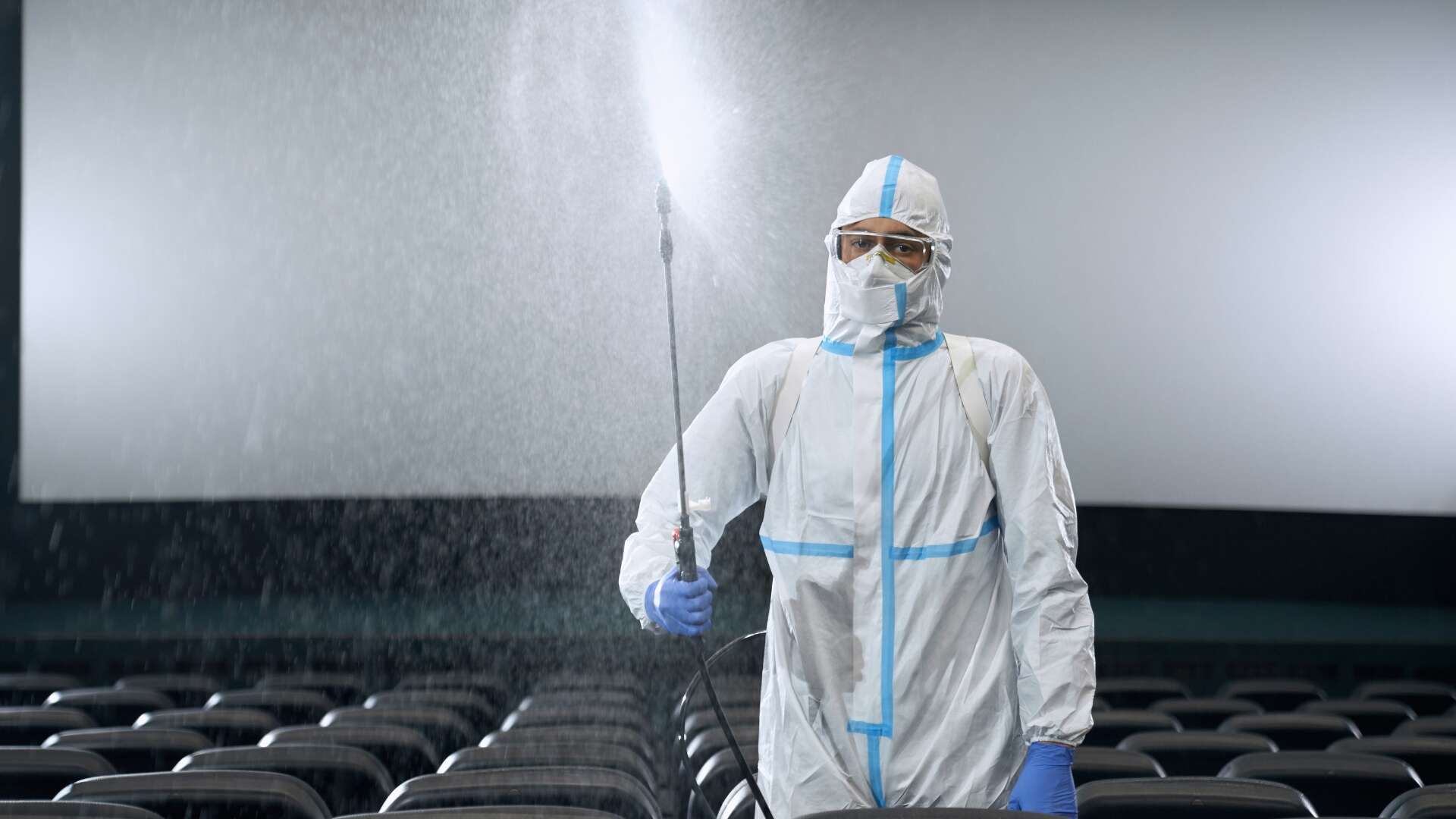
Cleaning Rules and Guidelines in the COVID-19 Era
The spread of the COVID-19 virus placed cleaning at the center of public and professional attention. Beyond general guidelines such as social distancing and personal hygiene, it became clear that cleaning plays a critical role in preventing infection and protecting public health, especially in shared spaces and workplaces.