Confined space cleaning is a specialized field that combines cleaning, maintenance, and safety activities within complex working environments that present unique operational characteristics. Confined spaces can be found in a wide range of infrastructure systems and facilities, including water reservoirs, tanks, shafts, manholes, and channels. Due to restricted access conditions and potential hazards, work within a confined space requires careful planning, strict adherence to safety procedures, and the use of appropriate equipment and protective measures.
As part of Tavas's advanced cleaning capabilities, the PowerJet division performs cleaning and maintenance work across a wide range of complex infrastructure systems and facilities. Depending on the characteristics of the site, these services may also include the cleaning of confined spaces such as water reservoirs, tanks, shafts, manholes, and other operational infrastructure, while complying with applicable safety requirements and on-site working conditions.
Confined space cleaning is commonly carried out in public buildings, industrial facilities, commercial centers, infrastructure systems, water reservoirs, and various operational installations. Beyond the cleaning itself, the objective of the work is to support the proper maintenance of infrastructure while ensuring worker safety and compliance with regulatory requirements.
What Is Considered a Confined Space?
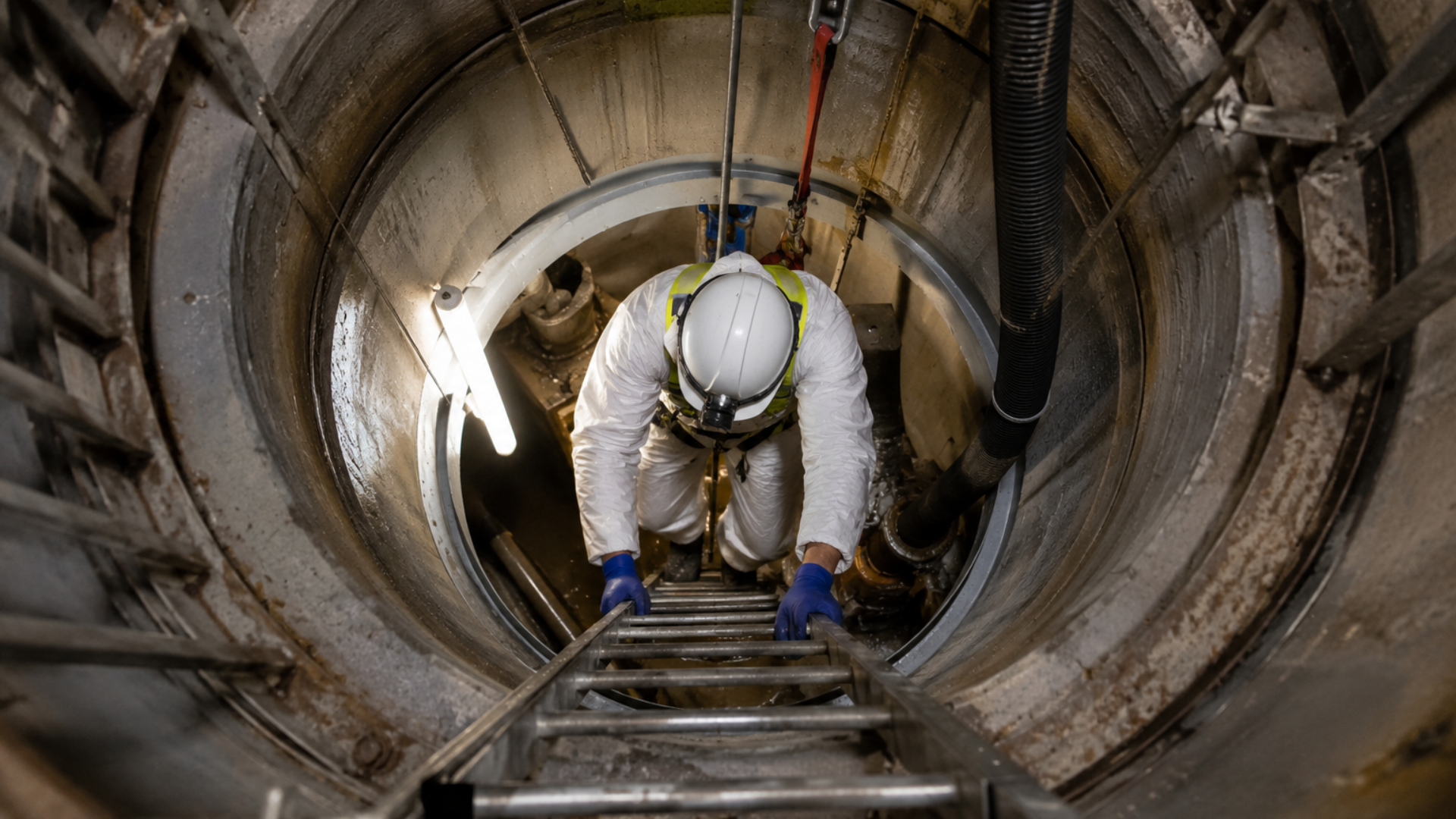
According to commonly accepted safety definitions, a confined space is an area that is not intended for continuous occupancy by workers, has limited entry and exit points, and may contain hazards such as oxygen deficiency, gas accumulation, inadequate ventilation, or other challenging working conditions.
Common types of confined spaces include water reservoirs, tanks, shafts, manholes, pits, drainage channels, large pipelines, underground spaces, and technical or operational chambers. In many cases, access to these spaces is restricted, requiring professional preparation and planning before entry.
Due to these characteristics, confined space cleaning is considered a high-safety-sensitivity activity that requires structured work practices in accordance with applicable procedures and safety guidelines.
Safety Regulations and Certifications
Work in a confined space requires strict compliance with occupational safety regulations and dedicated work procedures designed to minimize risks and enable the safest possible working conditions.
Before entering a confined space, a risk assessment must be conducted, environmental conditions must be evaluated, and it must be confirmed that conditions allow the work to be carried out safely. Factors such as air quality, ventilation levels, access and rescue options, and anticipated working conditions are typically assessed.
Confined space certification and employee training are essential components of work in these environments. Personnel performing confined space cleaning must be familiar with potential hazards, safety procedures, and the proper use of protective equipment and required safety gear.
Confined space regulations are intended to ensure that every entry into such an environment is carried out in a controlled manner while protecting worker safety and maintaining the integrity of the work process.
Cleaning Reservoirs, Tanks, and Shafts
One of the primary applications of confined space work is the cleaning of water reservoirs, tanks, shafts, and various operational infrastructure systems.
Water reservoirs are a clear example of a confined space. Entry for cleaning, washing, disinfection, and sediment removal requires professional execution in accordance with safety procedures and regulatory requirements. These activities may include cleaning reservoir floors and walls, flushing pipelines, removing accumulated sediment, and performing pumping operations according to the characteristics of the reservoir and site requirements.
At many facilities, these services are combined with water reservoir disinfection services Water Reservoir Disinfection as part of a comprehensive process aimed at maintaining water quality and complying with Ministry of Health requirements.
In addition to reservoirs, cleaning services are also carried out in tanks, shafts, manholes, drainage channels, and operational pits where dirt, sediment, and various materials accumulate over time and require professional treatment.
Respiratory Equipment and Gas Monitoring
One of the most important stages before performing work in a confined space is assessing the environmental conditions within the space.
As part of the preparation process, air quality testing and environmental monitoring are conducted to verify that work can be performed safely. These assessments help identify conditions such as oxygen deficiency, gas accumulation, or other environmental hazards that may endanger workers.
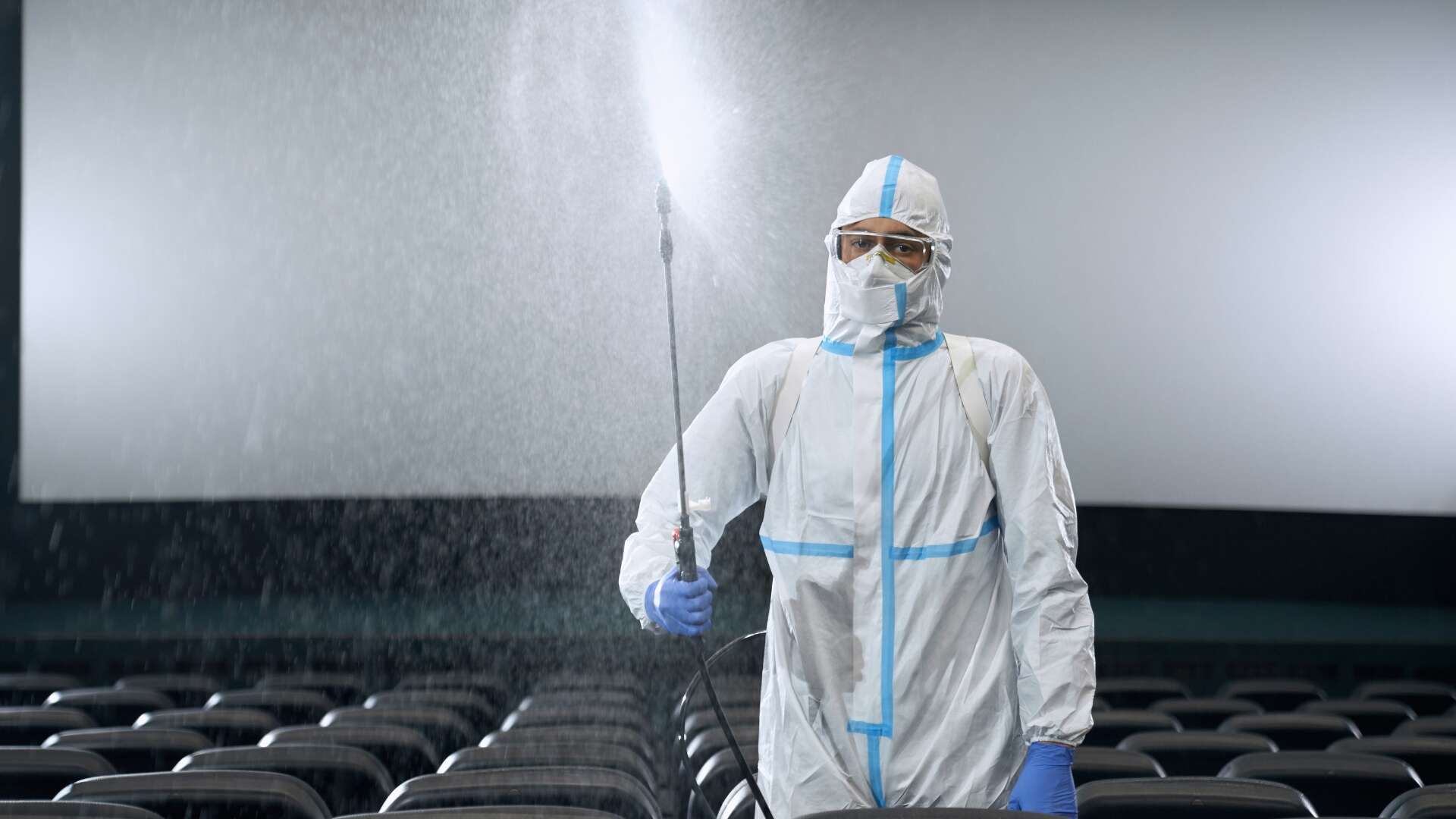
Depending on the characteristics of the space and the potential risks involved, the use of personal protective equipment, respiratory protection, ventilation systems, and additional safety equipment may be required. Gas monitoring and air quality assessment are integral parts of confined space operations and help ensure that work is carried out safely and under controlled conditions.
Similar to other specialized services performed in controlled environments, such as cleanroom cleaning Cleanroom Cleaning, confined space work requires strict adherence to procedures, thorough planning, and professional execution in accordance with operational requirements.
In many organizations, these services form part of a broader package of building cleaning services Building Cleaning and infrastructure maintenance programs, helping maintain a safe, functional, and properly maintained working environment over time.