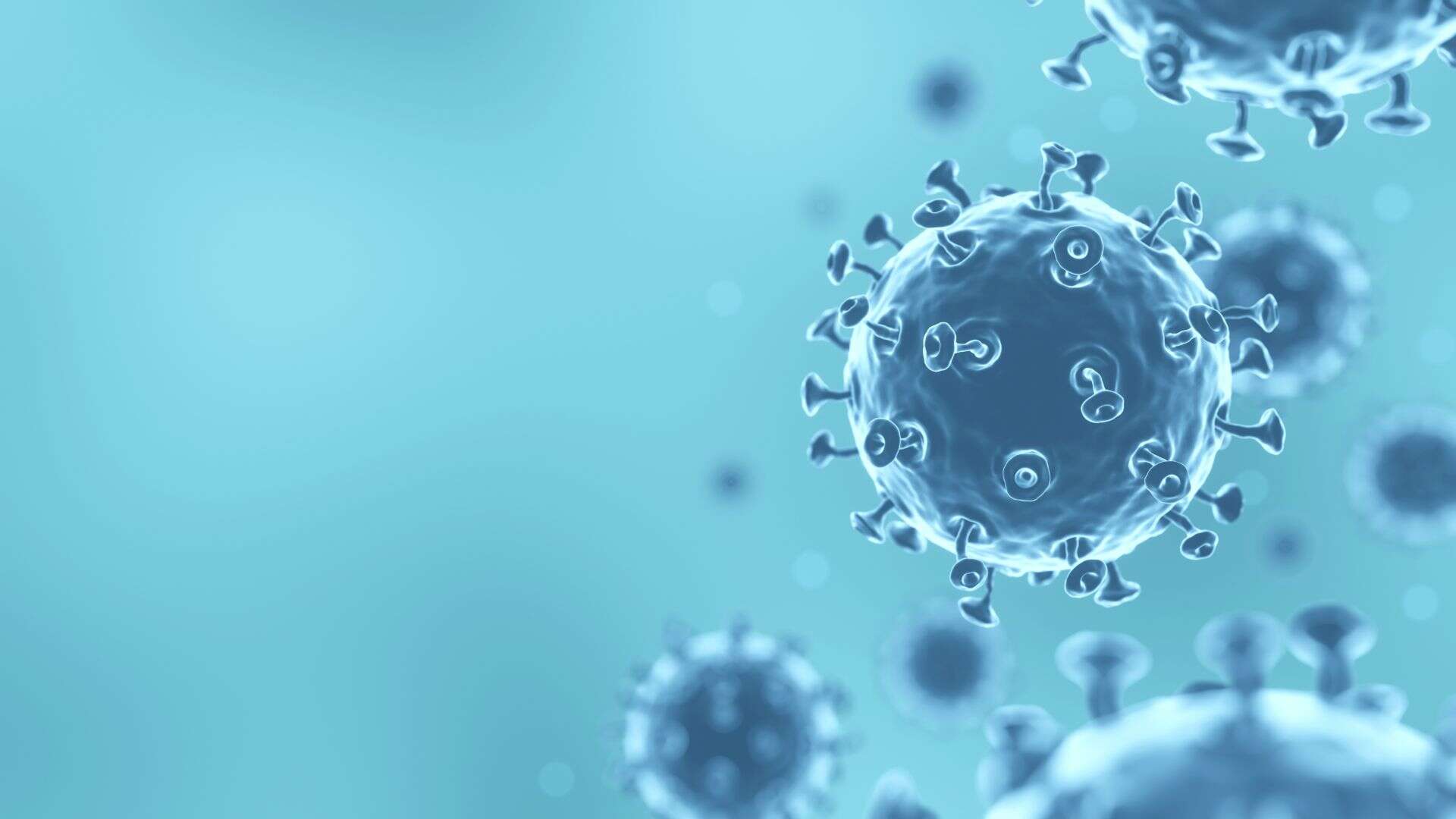
The COVID-19 crisis was not only a health event. It was a defining moment that disrupted routines, exposed systemic gaps, and tested the ability of countries, organizations, and businesses to cope with a reality that changes rapidly. Beyond the immediate response to illness, the crisis raised deeper questions about how we manage risk, maintain operational continuity, and treat the everyday infrastructures that enable normal life.
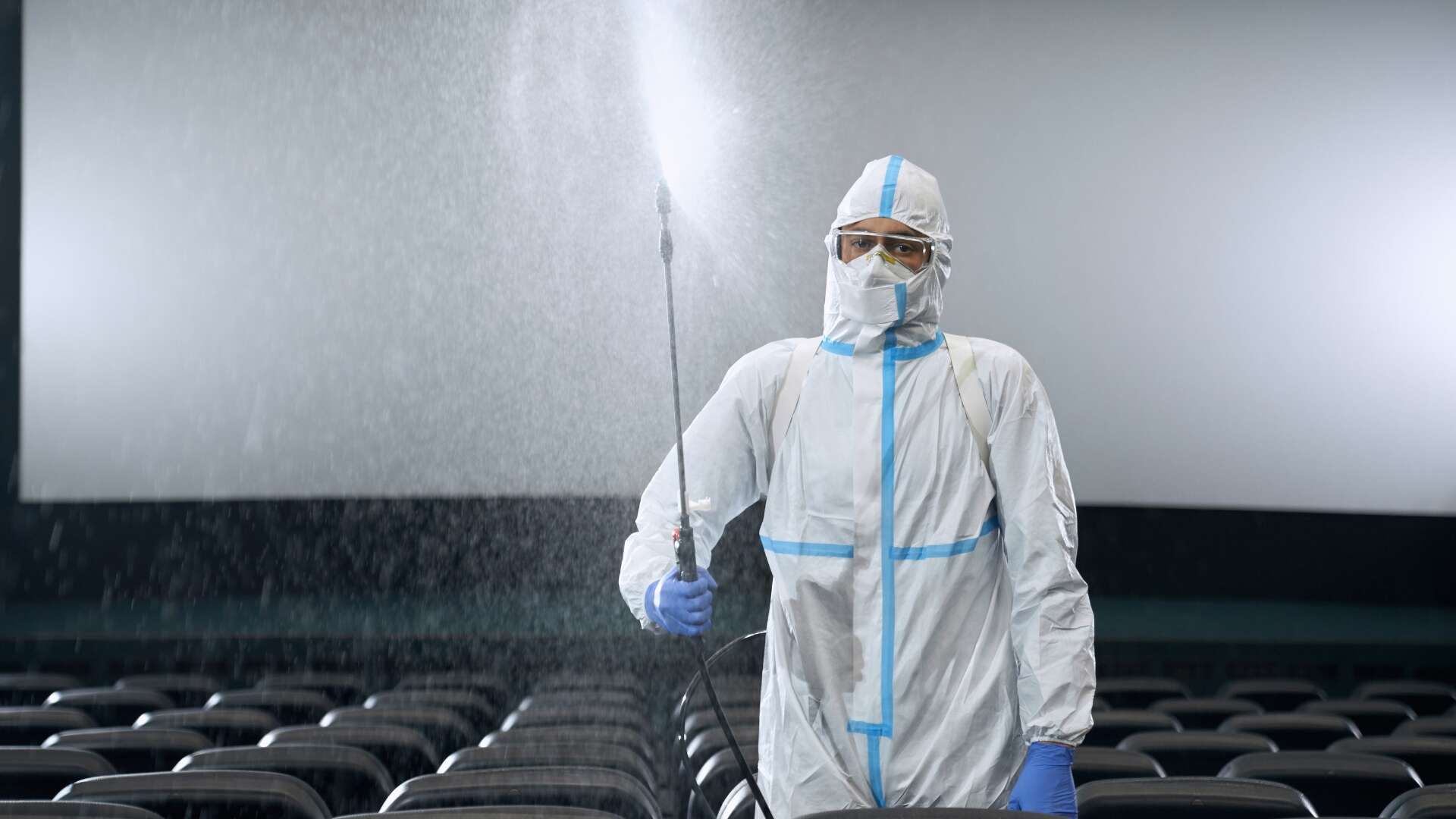
One of the key insights that emerged from the crisis relates to the role of cleaning. For years, cleaning was viewed as a quiet operational function, something that happens in the background. COVID-19 changed that perception fundamentally. It turned cleaning into a visible, critical, and decisive factor in protecting public health and sustaining the activity of organizations and institutions.
Public and business environments rely on intensive use of shared surfaces and high-touch areas. Offices, educational institutions, public transportation, medical centers, and service sites all depend on cleaning routines. When these routines are not planned, not monitored, or not implemented consistently, health risks increase and public trust is damaged.
In the day after COVID-19, it is clear that isolated responses or temporary tightening are not enough. A shift in mindset is required. Cleaning must be treated as an ongoing infrastructure, managed over time, similar to the way organizations approach safety, security, or maintenance. It is not an emergency solution, but a permanent component of responsible operational planning.

In this context, sustainability takes on a broader meaning. Sustainability is not only about reducing environmental impact, but about the ability of systems to remain resilient over time. Responsible use of resources, selecting appropriate cleaning materials, protecting employee health, and reducing risks are all part of the same overall approach.
COVID-19 demonstrated how quickly systems that are not built properly can collapse during crises. Organizations that did not invest in advance in infrastructure, training, and clear procedures were forced to respond under pressure and through improvisation. In contrast, organizations that operated with a system-level mindset were able to maintain relative stability, even under complex conditions.
As an integral part of the public sphere, the cleaning industry must adapt to this reality. Beyond task execution, it requires professionalism, responsibility, and the ability to support clients in long-term planning. High-quality cleaning is not measured only by visible results, but by the process, the method, and the ability to maintain standards over time.
In the day after COVID-19, the question is not whether to invest in cleaning and sustainability, but how to do it correctly. Combining professional cleaning routines with a sustainability mindset enables organizations to reduce risks, strengthen public trust, and create a stable foundation for continued operation.
Tavas sees this period as a turning point. Not a return to the past, but an opportunity to build stronger infrastructure for the future. With the understanding that cleaning, sustainability, and public health are part of the same managerial responsibility, we work to implement solutions that look beyond the crisis and focus on stability, professionalism, and long-term thinking.