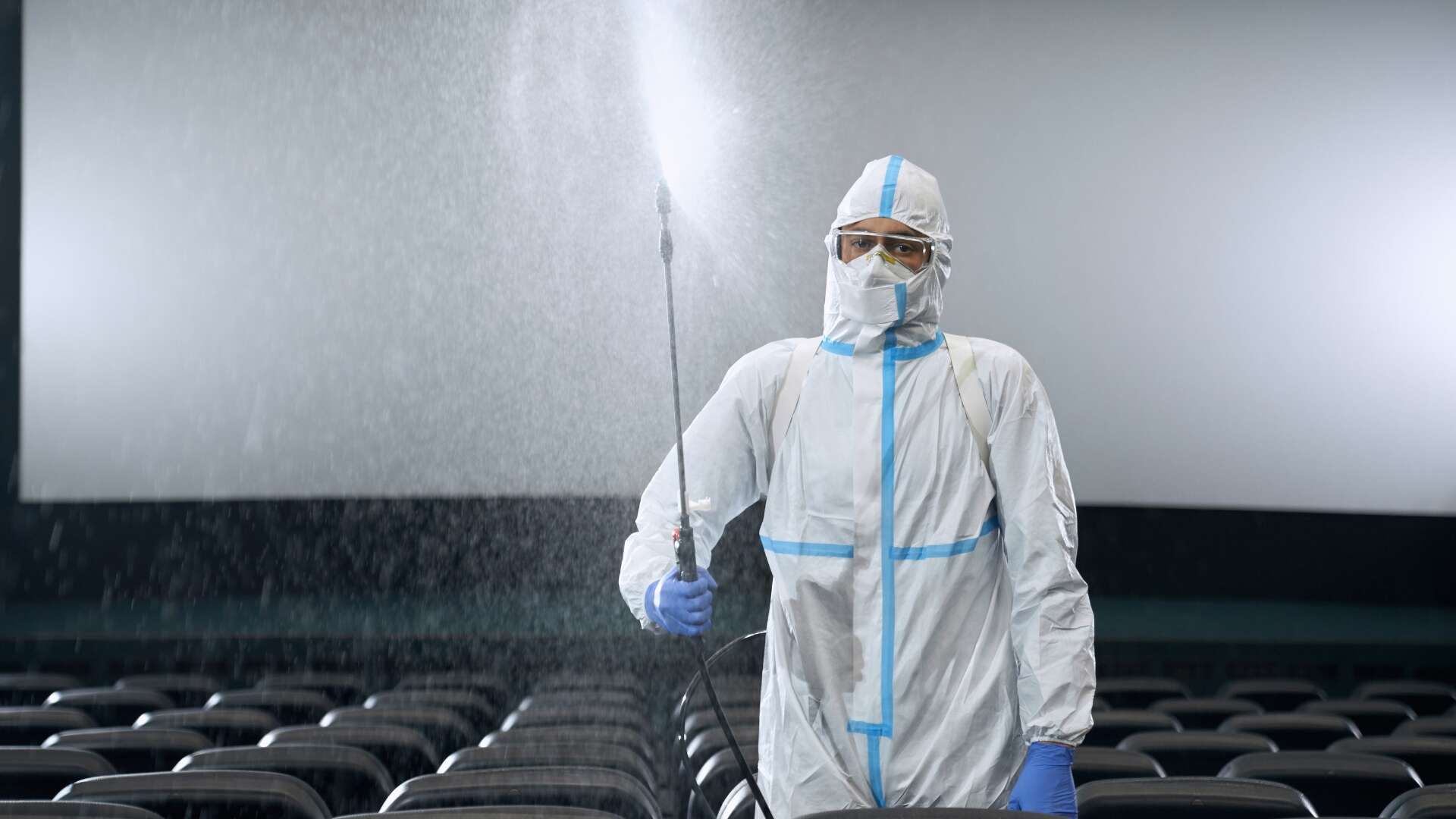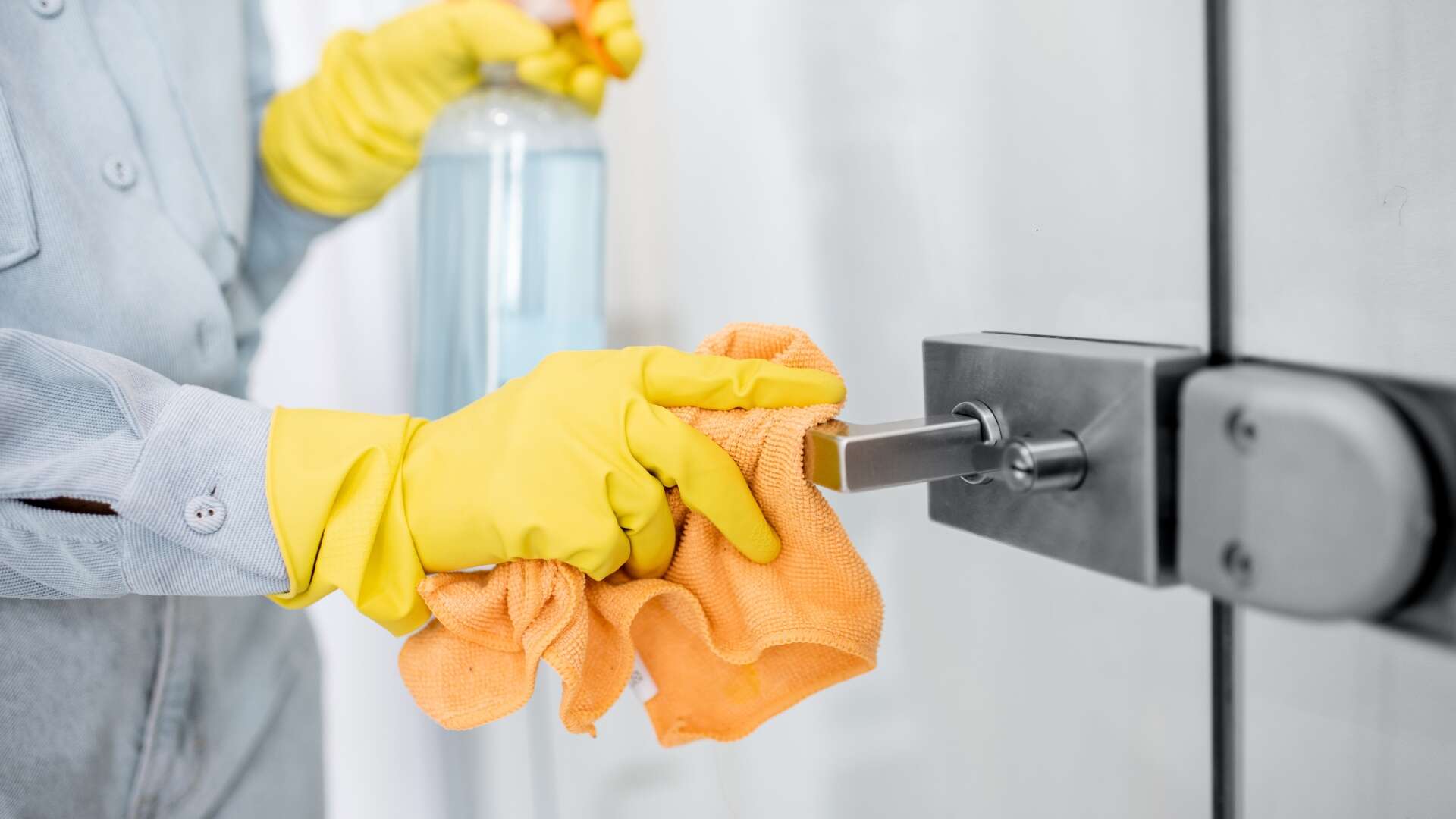
In recent years, it has become clear that cleaning is not a marginal or purely operational act. It is a foundational component of public health, personal safety, and the ability of the economy to keep functioning. Large-scale health crises, led by the COVID-19 pandemic, exposed a deep gap between public discourse about hygiene and the reality on the ground.
The tendency to focus on isolated measures such as masks, social distancing, and general guidelines left behind the most basic, daily, and effective action: cleaning. Not as a statement, but as structured, ongoing, professional work.
Public and business environments in Israel are defined by high-density use and countless high-touch elements: door handles, switches, elevators, railings, work surfaces, restrooms, and meeting rooms. These are daily contact points where one person’s fingers meet another’s again and again throughout the day. When cleaning is not performed with the right frequency, method, and tools, it stops being a quiet background function and becomes a risk factor.
Cleaning is not a slogan, and it is not a one-time action. It is demanding work that requires routine, discipline, professional knowledge, and responsibility. Spot disinfection or a reaction to a specific incident is not a substitute for a cleaning operation that is planned, monitored, and maintained over time.
Unfortunately, in many cases public and regulatory discourse overlooks the gap between guidelines and implementation. Cleaning standards are not measured, not monitored, and sometimes not even clearly defined. The result is environments that fail to meet the required level of cleanliness, even when awareness of the risk exists.
This is exactly where a shift in mindset is needed. Cleaning should be seen as national infrastructure, much like transportation, security, or energy. It affects employee health, the operational continuity of organizations, and the public’s sense of safety in the spaces they use.
The professional cleaning sector holds the knowledge, experience, and capability to implement effective solutions at scale. When cleaning systems are planned correctly in terms of frequency, materials, employee training, and oversight, they become a meaningful first line of defense in preventing the spread of disease and reducing health risks.
This is not about luxury. It is not an extra. It is the foundation. This is cleaning.