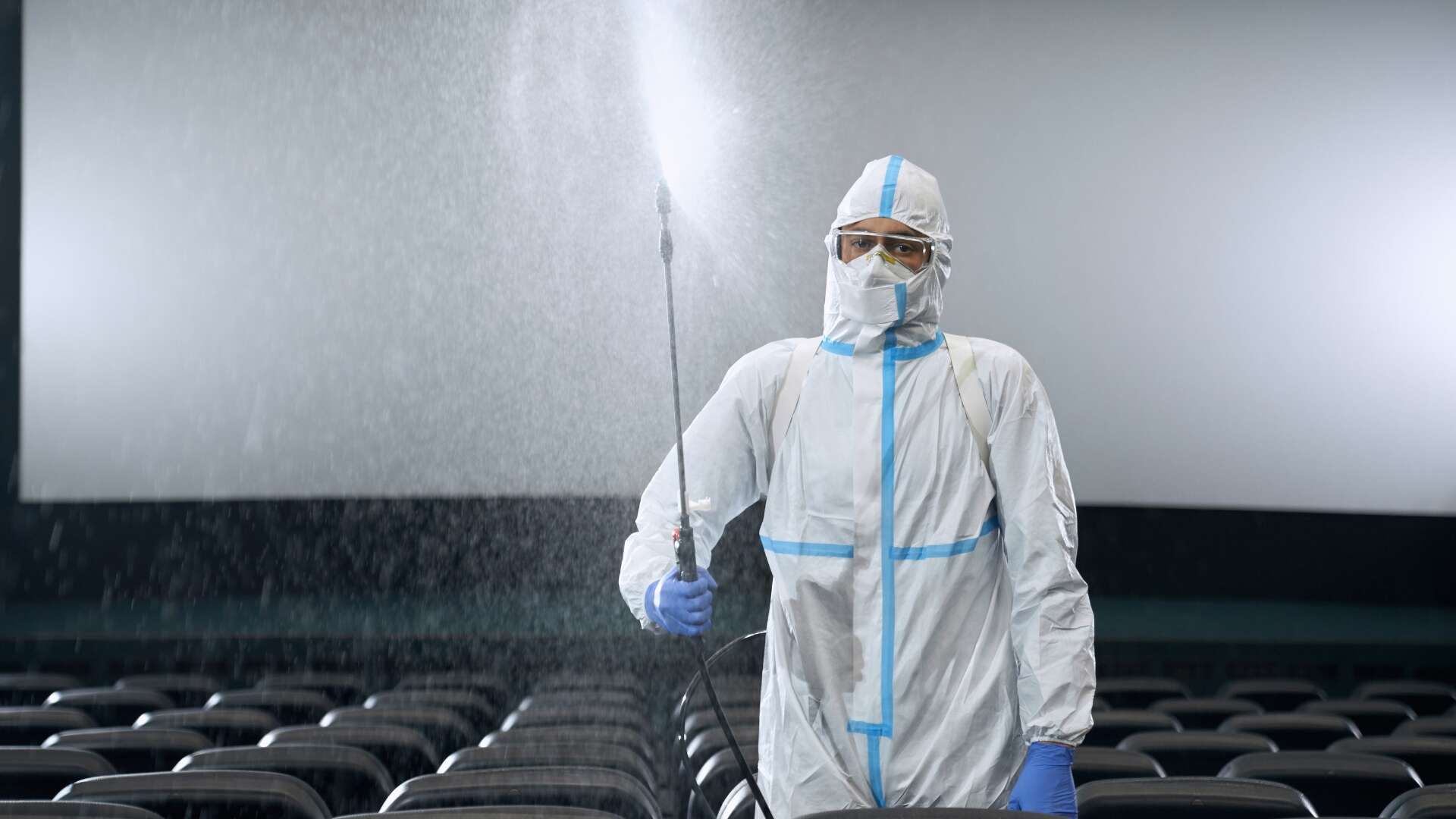
The spread of the COVID-19 virus placed cleaning at the center of public and professional attention. Beyond general guidelines such as social distancing and personal hygiene, it became clear that cleaning plays a critical role in preventing infection and protecting public health, especially in shared spaces and workplaces.
This new reality required a shift from a reactive approach to a systematic one. Cleaning is not a one-time action, but an ongoing process that requires planning, oversight, and strict adherence to clear standards. Rules and guidelines are not meant to burden an organization, but to enable it to operate responsibly, safely, and continuously, even during periods of uncertainty.
One of the key principles is mapping high-touch areas. Door handles, switches, elevators, railings, work surfaces, restrooms, and meeting rooms are all points of repeated contact by many people. These areas require more frequent cleaning and disinfection, the use of dedicated materials, and the implementation of clear working methods.
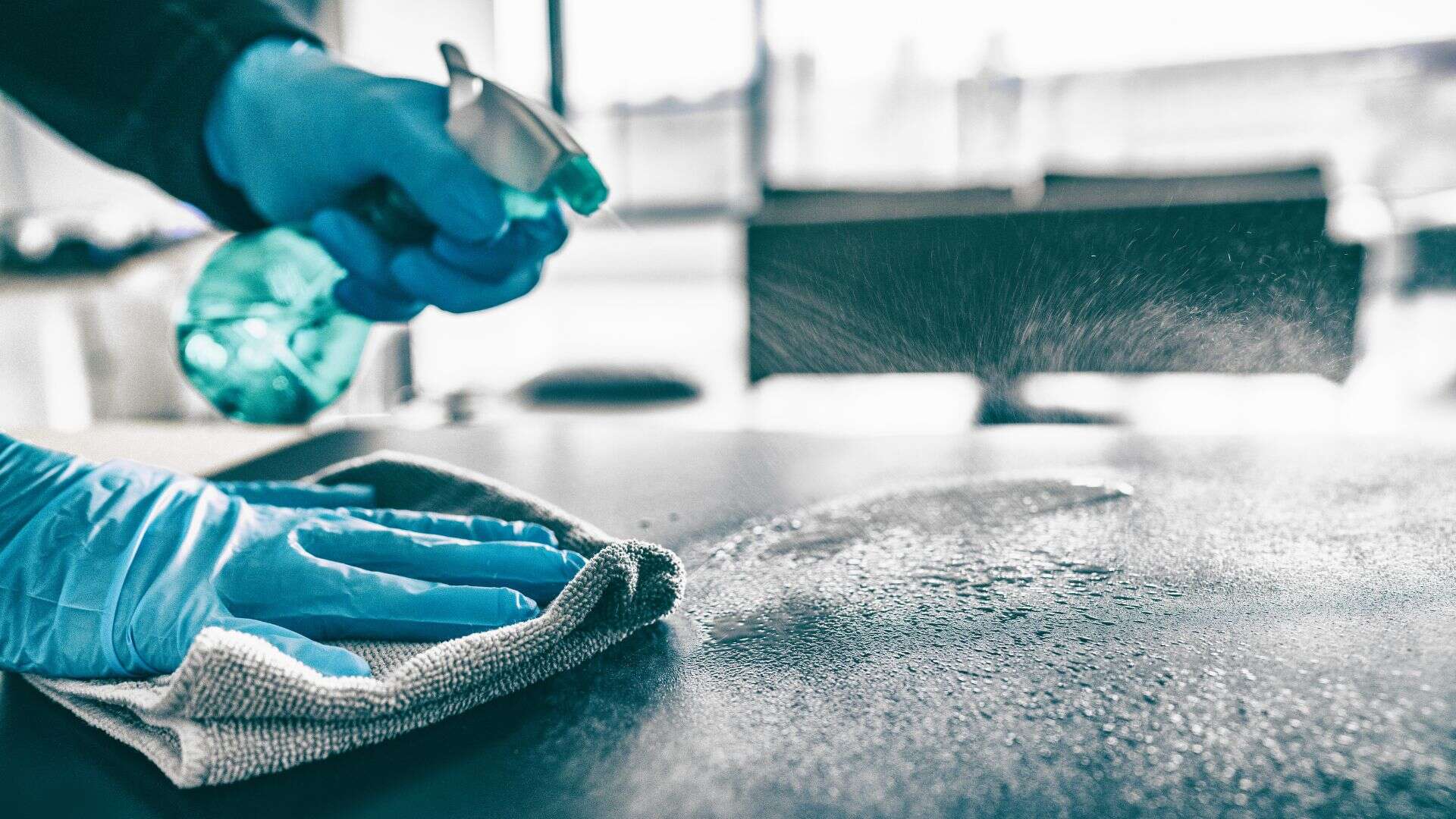
Alongside frequency, the way cleaning is performed is equally important. Effective cleaning requires professional training for staff, the use of appropriate equipment, and strict adherence to structured procedures. Disinfection carried out incorrectly can create a false sense of security, so it is essential to ensure the right match between surface type, cleaning agents, and application method.
Another important aspect is the health and safety of cleaning staff. These employees are on the front line of the effort, and therefore require proper protective equipment, a safe working environment, and ongoing training. Protecting employee health is a fundamental condition for maintaining a stable level of cleanliness over time.
In the COVID-19 era, the importance of monitoring and supervision also became sharper. Written procedures, measurement of cleaning frequencies, and documentation of actions allow an organization to ensure that guidelines are implemented in practice and do not remain only as statements. Transparency in these processes strengthens the trust of employees and the public.
Cleaning during the COVID-19 era is neither a luxury nor a temporary solution. It is an inseparable part of every organization’s operational infrastructure. Adopting clear rules and guidelines enables organizations to reduce risks, maintain operational continuity, and create a safer and healthier work environment.
Tavas sees the implementation of professional cleaning rules as part of a broader managerial responsibility. Not only as a response to a crisis, but as a permanent standard designed to support the organization in the long term, including the day after. Based on this approach, we work to implement structured processes, train employees, and adapt cleaning operations to a changing reality.