Four months after the outbreak of the COVID-19 pandemic, it appeared that Israel had succeeded in containing the first wave. However, with the return to routine life, a significant deterioration in infection rates became evident, with daily case numbers reaching the thousands.
The three directives that became the slogan of the period, wearing masks, maintaining social distancing, and hygiene, have eroded over time and, according to professional assessments, do not provide a sufficient response to fully halt the spread of the pandemic. In this context, there is a need to refine one of the core directives: no longer general “hygiene,” but rather systematic and intensified cleaning and disinfection in workplaces and public spaces.
High-Touch Areas: A Central Source of Transmission
Israel is a densely populated country, where hundreds of thousands and even millions of people share, on a daily basis and for extended hours, high-touch elements involving frequent hand contact, both in public spaces and in workplaces.
Leading global health organizations, including the World Health Organization (WHO), the U.S. Centers for Disease Control and Prevention (CDC), and health ministries in various countries, indicate that high-touch areas (frequently touched surfaces) constitute a significant factor in the transmission of the virus.
These elements include door handles, light switches and elevator buttons, handrails on buses and trains, restrooms, meeting rooms, shared office surfaces, hospitals, restaurants, public transportation stations, playground facilities, and any environment where contact by one person’s hands meets that of another.
Cleaning and Disinfection: A Simple, Effective, and Essential Action
The solution lies in a simple yet persistent action: cleaning, disinfecting, cleaning, disinfecting.
Unfortunately, during this period, both public and institutional, private, and commercial spaces in Israel are not sufficiently clean. Many public areas, facilities, and shared spaces suffer from neglect, and this lack of cleanliness serves as an accelerating factor in the spread of the pandemic.
In addition, the guidelines established under the “Purple Badge” framework do not explicitly address the required level of cleanliness, nor are they measured or monitored according to professional standards of environmental cleaning and disinfection.
As a regulated and professional cleaning industry with accumulated expertise, there is a clear understanding that insufficient cleanliness and lack of awareness regarding cleaning are key drivers in the spread of COVID-19.
Gaps on the Ground: From Educational Institutions to Public Transportation
In schools, no significant increase in cleaning efforts has been implemented. Restaurants are not cleaner. Workplaces, bus stops, and train stations continue to operate without a systematic intensification of cleaning and disinfection activities, despite the clear health risks.
This reality necessitates a conceptual shift: cleaning is not a marginal action, but rather a foundational component of the public health protection system.
Cleaning as a National Line of Defense
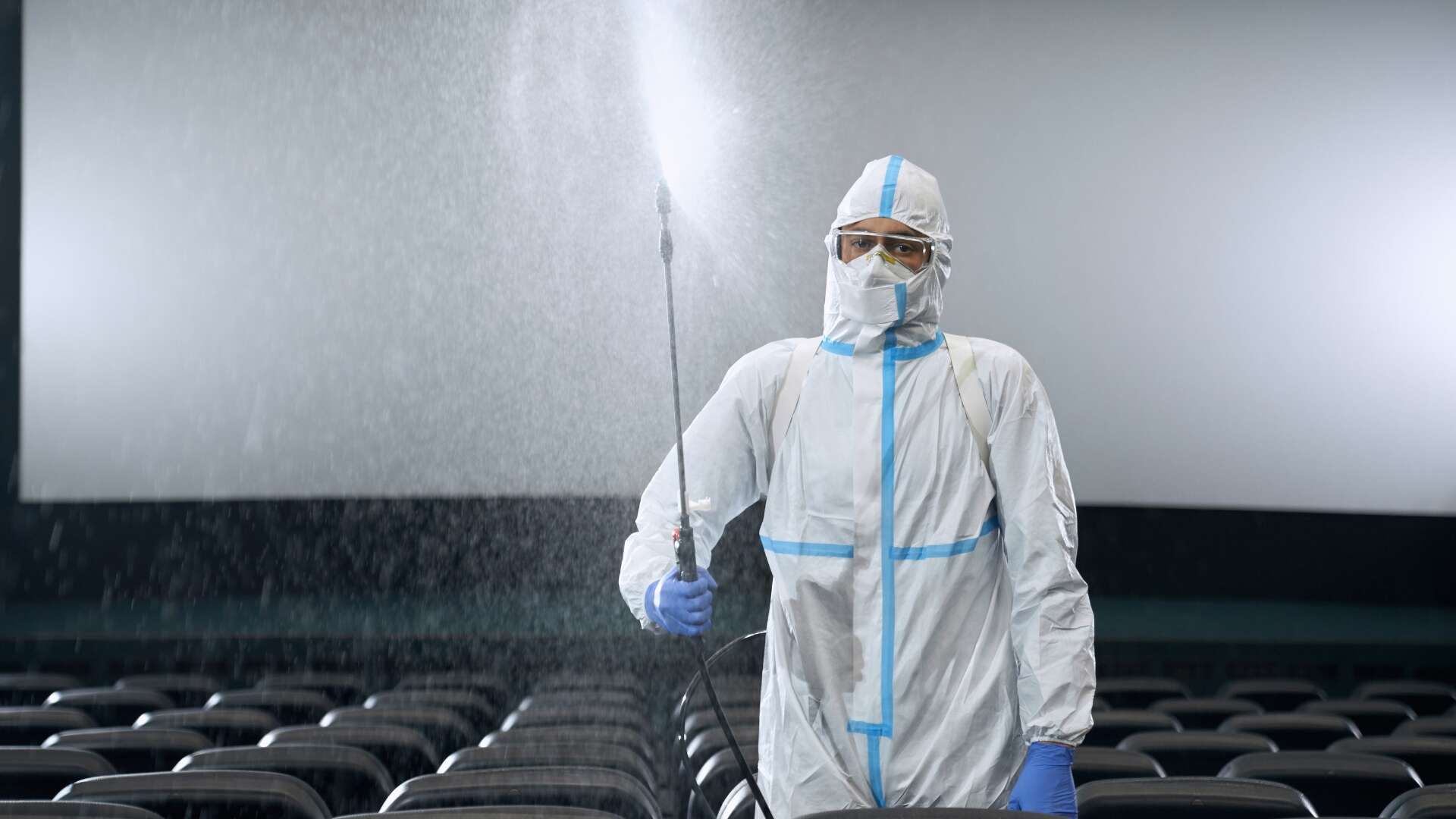
Much like periods of heightened terrorist threats, during which security personnel were deployed to conduct screenings in public spaces to create a sense of safety and deterrence, the era of “COVID attacks” requires the large-scale mobilization of professional cleaning personnel.
Through the use of dedicated cleaning and disinfection materials, these workers can remove viral presence from high-touch surfaces and significantly reduce the potential for transmission.
Such a move, alongside incentives for businesses and organizations to strengthen their cleaning infrastructures, would help safeguard employee health, ensure operational continuity, and make a tangible contribution to curbing the pandemic.
Both a Health Solution and a Socio-Economic One: Cleaning workers, among the most vulnerable populations in the economy, have been among those most affected by the economic crisis. Many found themselves unemployed and without job security precisely at a time when their skills, experience, and contribution are more essential than ever. Increasing cleaning and disinfection efforts would return thousands of workers to the labor market, strengthen the economy, and improve public health.
Everyone Benefits
The State of Israel would become cleaner. Public awareness of cleaning and disinfection would increase. Public confidence in health and economic responses would grow. And thousands of cleaning workers would return to meaningful employment.
This is a classic case of a win-win solution: a simple, practical, and necessary measure.