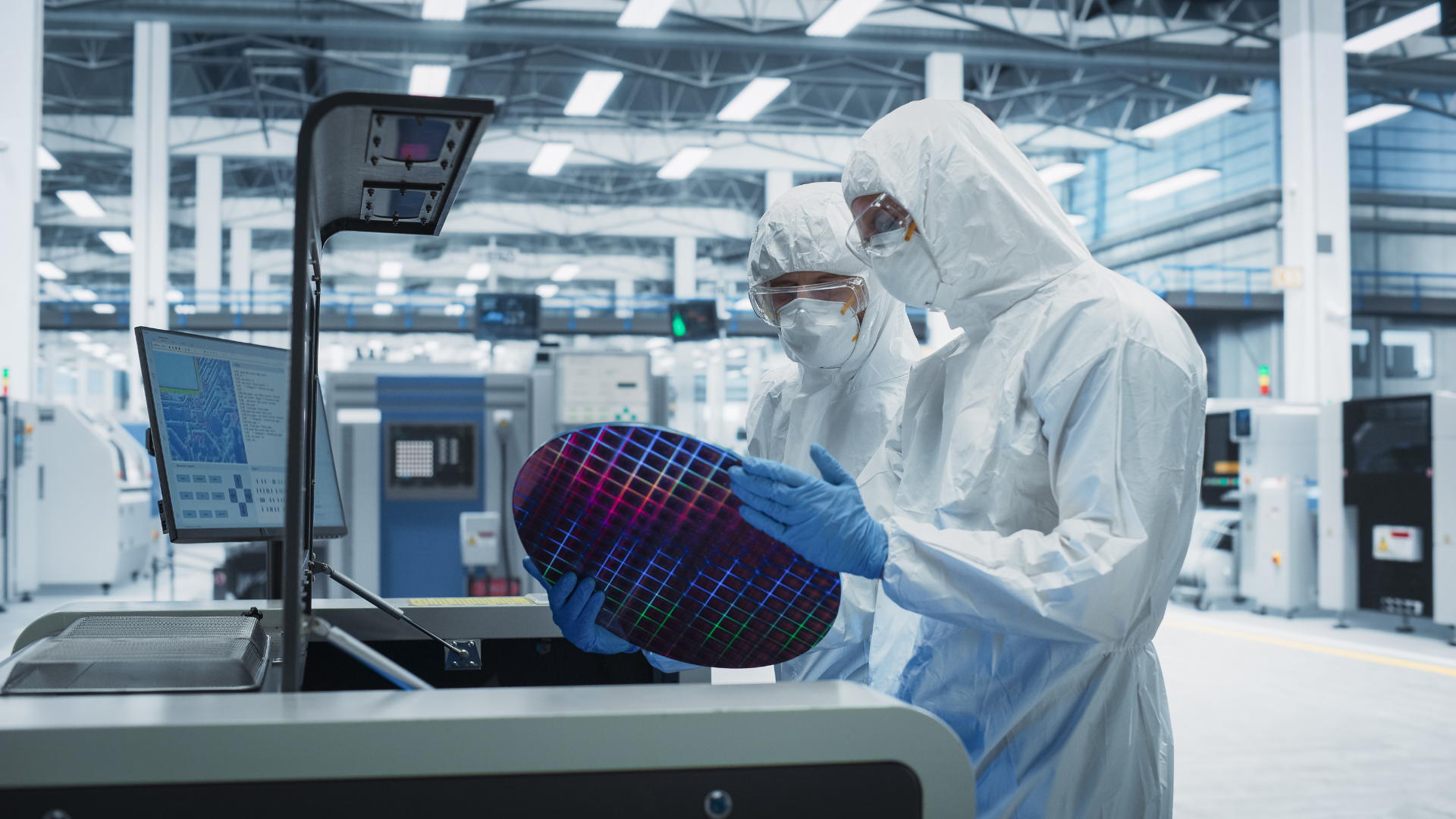
In industries where pharmaceuticals, semiconductors, electronic components, food products, medical devices, or biotechnology materials are manufactured, cleanliness is far more than a matter of appearance. It is an integral part of process quality, product reliability, and compliance with strict regulatory requirements. Even a microscopic airborne particle, residue left on a surface, or an improperly documented action can affect the entire production environment.
At Tavas, this service is delivered through CLASS, a dedicated unit specializing in cleanroom cleaning, maintenance, and the management of cleaning processes in controlled environments. CLASS provides specialized expertise in working within cleanrooms and controlled environments, adapting its methods and procedures to applicable standards, operational requirements, and regulatory requirements.
What Is a Cleanroom and Why Does It Require Specialized Cleaning?
A cleanroom is a controlled environment designed to regulate airborne particulate and microbiological contamination levels. It operates through a combination of filtration systems, controlled air pressure, entry protocols, specialized protective clothing, and predefined work procedures.
Unlike standard cleaning, which focuses on maintaining a clean and pleasant working environment, cleanroom cleaning is designed to maintain measurable and controlled cleanliness levels over time. As a result, cleanroom cleaning requires precise work protocols, the use of appropriate cleaning agents, comprehensive documentation, and ongoing monitoring and quality control.
Cleanrooms are commonly used in the semiconductor industry, pharmaceutical manufacturing, biotechnology, medical device production, the food and beverage industry, research laboratories, and other advanced industries where even a minimal number of particles can affect product quality or process integrity.
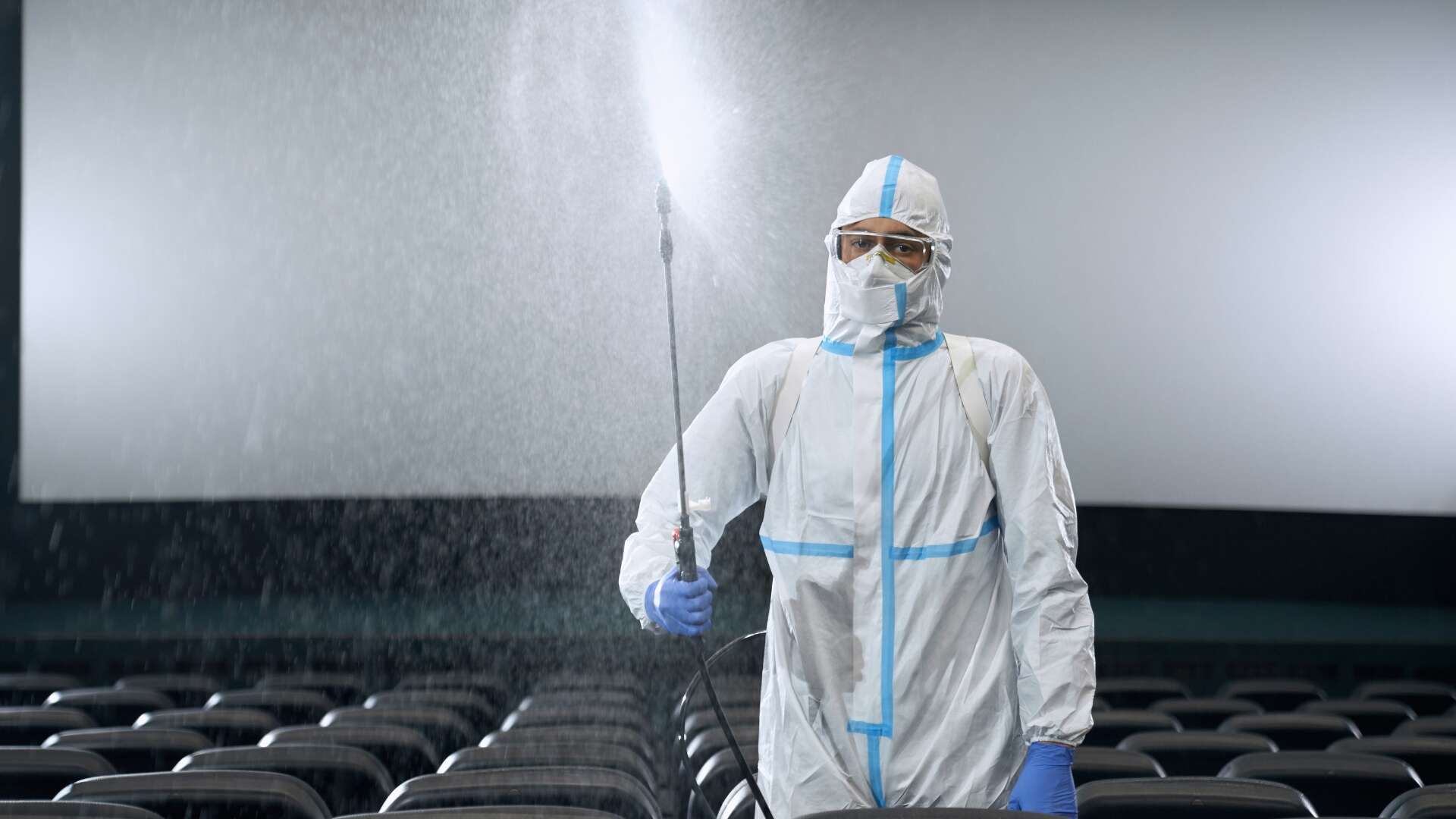
Beyond one-time cleaning, cleanrooms require ongoing cleaning and maintenance to maintain the required cleanliness levels over time. The service includes frequent professional cleaning, as well as the cleaning and disinfection of surfaces, walls, and ceilings, with work methods tailored to the room’s requirements and the protocols in place at the site. Cleaning frequency is determined according to the room classification, the nature of the activities performed within it, and the regulatory requirements applicable to the facility.
Cleanroom Cleaning After Construction
Cleanroom cleaning following construction, upgrades, or the installation of new infrastructure is an important step before the room is commissioned and operations begin.
During construction work, dust, particles, building material residues, and various contaminants accumulate within the space, potentially affecting the room’s performance and its ability to meet required standards. Even when a room appears visually clean, microscopic particles may still be present and require professional treatment.
For this reason, a thorough cleaning process is carried out before the room is put into service. This process includes particle removal, cleaning and disinfection of surfaces, walls, ceilings, and various systems, along with inspections and quality controls designed to verify that the room meets the required cleanliness standards.
In many cases, this process is integrated with post-construction cleaning services Post-Construction Cleaning as part of the preparation for cleanroom operation and compliance with site requirements.
ISO Standards and Protocols
One of the primary standards in the cleanroom industry is ISO 14644, which defines the required cleanliness levels based on the number of particles permitted in the air.
ISO 14644 classifies cleanrooms into different categories, ranging from ISO Class 1 to ISO Class 8. This classification defines the cleanliness level of a room according to the allowable particle concentration in the air. The lower the ISO Class number, the cleaner and more controlled the environment must be.
For example, ISO Class 1 and ISO Class 2 environments are intended for highly sensitive processes. ISO Class 5 is commonly used in semiconductor manufacturing, advanced laboratories, and specialized production facilities, while ISO Class 7 and ISO Class 8 environments are frequently found in pharmaceutical, biotechnology, food production, and laboratory settings.
CLASS teams operate in controlled environments across a range of cleanliness classifications, from ISO Class 1 through ISO Class 8, according to the requirements of the site, process, and applicable regulations.
Maintaining the required cleanliness levels is made possible through advanced HEPA and ULPA air filtration systems, which help remove microscopic particles and maintain stable, controlled environmental conditions.
The work is carried out using specialized equipment and advanced technologies designed for controlled environments, ensuring optimal cleaning results and compliance with customer quality requirements.
The cleanroom cleaning process is based on strict work protocols that include specialized garments appropriate to the room classification, the use of cleaning agents that do not leave residues or particles, adherence to predefined procedures, and full documentation of all cleaning activities. In addition to the cleaning process itself, ongoing quality control is required, including periodic inspections, detailed record keeping, and investigation of any deviations when identified.
Cleaning personnel receive specialized training for work in cleanrooms, including comprehensive knowledge of operational procedures, standard requirements, and advanced cleaning techniques designed for controlled environments.
At Tavas, all cleaning activities and quality control procedures are fully documented as part of a structured process designed to ensure compliance with applicable standards, operational procedures, and relevant regulatory requirements.
Industries That Require Cleanroom Cleaning
Cleanroom cleaning is required in any environment where controlling airborne particles and contaminants is critical. The service is suitable for industries in which the working environment directly affects product quality, process safety, and compliance with strict regulatory requirements.
Key industries include semiconductor and microchip manufacturing, pharmaceutical and life sciences industries, biotechnology, research and development laboratories, the food and beverage industry, medical device manufacturing, defense industries, aerospace, optics, and advanced electronics.
In addition, the service includes cleaning solutions for research laboratories, development laboratories, and quality control laboratories operating in controlled environments that require strict adherence to cleaning protocols.
Each of these industries has different requirements regarding cleanliness levels, maintenance frequency, and work protocols. As a result, cleaning solutions must be tailored to the organization's needs and the specific characteristics of the environment.
Many organizations also combine office cleaning services Office Cleaning Company for office areas, laboratories, and supporting spaces alongside dedicated cleanroom cleaning services.
Some facilities also require maintenance and cleaning services in technical and infrastructure areas, including confined space cleaning Confined Space Cleaning, as part of a comprehensive service package.
What Is the Difference Between Standard Cleaning and Cleanroom Cleaning?
Standard cleaning focuses on removing dirt and maintaining a clean working environment. Cleanroom cleaning is designed to control particle and contamination levels within a controlled environment while adhering to strict procedures, standards, and protocols.
What Is ISO 14644?
ISO 14644 is the primary international standard for the classification and management of cleanrooms. The standard defines required cleanliness levels based on the number of particles permitted in the air and helps determine the operational and maintenance requirements of the cleanroom.
Is Special Cleaning Required After a Cleanroom Is Built?
Yes. Cleanroom cleaning after construction is an important step before the room becomes operational. Its purpose is to remove dust, particles, and material residues that accumulate during construction and to ensure that the environment meets the required cleanliness standards.
What Types of Cleaning Agents Can Be Used in a Cleanroom?
Cleanrooms require the use of specialized cleaning agents that do not leave residues or particles that could compromise the controlled environment. The specific materials used are determined according to the applicable standards, the room classification, and the nature of the activities performed within the facility.
Cleanroom cleaning is an integral part of maintaining quality, safety, and operational continuity in advanced industries. The combination of skilled personnel, strict work protocols, comprehensive documentation, and compliance with ISO standards helps maintain a controlled environment and supports manufacturing, research, and development activities at the highest level.